


Written by Mo Kahn on
December 2, 2025


People romanticize “style” as this mystical, perfect aesthetic, but at a practical level your artistic style is just:
Exploring different art styles—such as Impressionism, Mannerism, and others—can help you identify the recurring elements and choices that define your own style.
Your signature style is not some special filter. It is your consistent way of handling:
When people talk about a unique artistic voice, they are just talking about a combination of these choices that is recognizably yours.
You do not need to invent something completely alien. You just need a distinctive style that feels like you, not a blend of ten artists you follow on Instagram mashed together.

Obvious, but people skip this and then wonder why they have no own art style.
You will not find your own artistic style if you are:
You need output. A lot of it. Consistent practice is essential—developing your style comes from regularly making art, experimenting, and learning from each attempt.
Do this:
At the end of that, you will notice:
Take time to reflect on what you have created and which pieces you enjoyed making the most.
Those are the seeds of your own style.
Looking at other artists is not the problem. Copying them blindly is.
You should absolutely:
Ask yourself:
Write it down. For each artist you admire, list 2 to 3 techniques or recurring elements you want to absorb.
Then, when you draw your own work, do not copy the whole art style. Be aware of how you are influenced by other artists and make conscious choices about which influences to incorporate. Combine specific influences:
Example: “I like their soft color transitions, this other artist’s chunky shapes, and a third artist’s stylized faces.”
That mix is one step closer to your individual style, not just a clone of someone else.

Yes, you should try different mediums and different techniques, but if you bounce endlessly between:
You will spend all your time starting over, never developing depth in any of them. Exploring new mediums and techniques is valuable for discovering what resonates with you, but focus is key for growth.
Better approach:
For example:
Your personal style will show up differently in different mediums, but you need at least one place where you put in serious mileage.
You will never build a recognizable style if you force yourself to paint things you do not care about, just because the algorithm likes it.
Ask yourself:
Could be:
Inspiration can come from a wide range of sources—nature, personal experiences, or other artists. Noticing what inspires you can help clarify your personal style.
Your personal art style is glued to your subjects. A lot of “style crisis” is actually “I am drawing things I do not care about.”
This is where it starts to get real.
Collect 20 to 50 pieces of your own art from the last 6 to 12 months. No cherry picking. All of it. Now look for patterns.
Questions to ask:
Write down what you see:
These are the recurring elements that define your personal style already. You are not starting from zero. You are just blind to what you are already doing. Recognizing these patterns is the first step to deliberately develop your own style.
Too many options kill your unique style. You need constraints.
Try this:
Then experiment inside that tiny box. Stepping outside your comfort zone during these experiments can lead to unexpected discoveries and help you grow as an artist.
For example:
This is where your own limitations become useful. Style often comes from what you cannot or will not do, just as much as what you can.
You are not trying to master every fine art tradition. You are trying to build a unique art style that is repeatable and honest. Working within constraints can actually boost your creativity and help you find new solutions.
This is underrated and brutal.
Pick one painting or drawing idea, then:
Doing the same painting multiple ways shows you:
Reflecting on how you drew the same subject in different ways can reveal your tendencies and preferences, helping you understand how your drawing style evolves over time.
If you find yourself always drifting back to one particular style, that is your default. That is your own art style starting to harden.
This exercise is a valuable step in finding your art style, as it encourages exploration and self-discovery.
Hot take: locking into one particular style too early can hurt you.
Things to understand:
You are allowed to:
Trying new things—whether it's a different medium, subject, or approach—can help your style evolve and stay fresh.
Finding your style is not a final destination. It is more like tightening a spiral. You keep coming back to similar themes, but each time with more clarity and control.
Quick but useful section, not some fake hype.
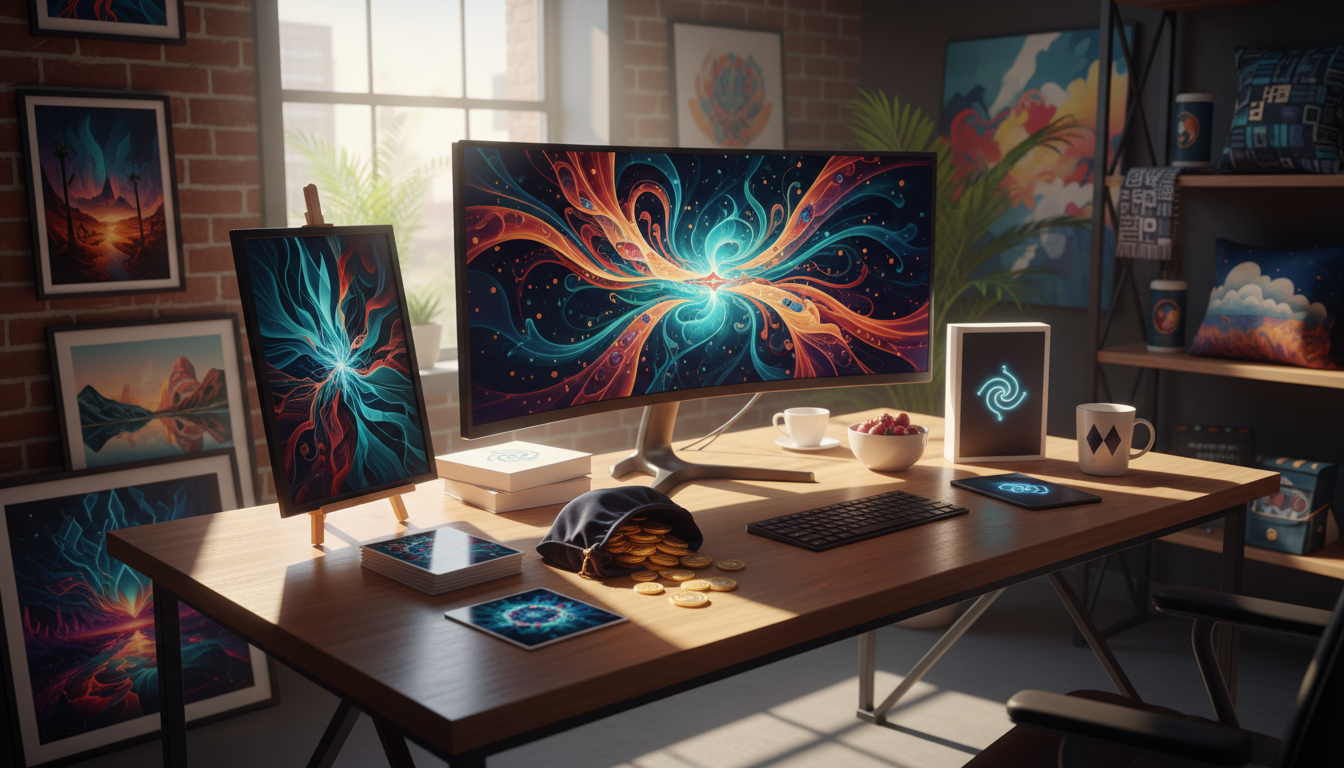
AI will not “give” you a unique artistic voice, but it can speed up exploration. AI tools can also open up a world of possibilities for artists to explore, offering new sources of inspiration and creative directions. Tools like starryai can help you:
Ways to use it without losing your soul:
AI is not your style. It is a tool inside your artistic process. The style comes from how you interpret, redraw, and transform ideas, not from what an algorithm spits out.
If you want something more concrete, do these. No fluff. These exercises are designed to help you build your skills and confidence as you work towards developing your unique keyword.
10.1. Draw the same thing every day for a week. Try to make each drawing a little different. Occasionally, switch to new subjects to keep the process fresh and challenging.
This is a great exercise for a new artist who might feel overwhelmed by too many things to try at once. By focusing on one subject, you can avoid spreading your attention over too many things and instead develop your unique artistic style through repetition and observation.
Pick 9 artists you genuinely admire. For each one, write:
As you do this, consider seeking advice from artists you admire. Be selective and look for good advice that aligns with your personal goals and creative direction, rather than following every suggestion.
Then make 5 pieces where you consciously blend those influences.
By working within these strict constraints, you can develop your skill in a focused way, honing your technical expertise and mastery as you create.
You will be forced into a recognizable style even if you do not intend it.
Take a piece you like. Recreate it in another medium, for example:
Notice what stays constant. Those constants are your style.
This exercise is especially helpful for new artists to identify their unique artistic style. You can also try applying the same approach to other subjects, which helps further explore consistency in your style across different themes.
Some brutal signs:
You fix this with:
Your own art style emerges when you do the same type of work enough times that your brain stops copying and starts improvising. Developing your own style requires persistence and self-reflection, so be patient and keep pushing forward.
If you want a simple summary for how to find your art style:
There is no shortcut, but there is a clear process. Draw, experiment, analyze, repeat. Over time your personal art style will become obvious to everyone else before it becomes obvious to you.






.svg)