

Written by Mo Kahn on
December 11, 2025


Computer Generated Imagery, often shortened to CGI, transformed visual storytelling forever. Before CGI technology, filmmakers relied almost entirely on practical effects, models, miniature sets, and traditional animation. Today, computer graphics and CGI software create entire worlds, characters, and visual effects that look real enough to touch. Animated visual content, including both still and moving images, is a key part of CGI, enabling filmmakers, game developers, advertisers, and virtual reality creators to produce realistic or imaginative visuals using advanced techniques.
From Toy Story to Star Wars, CGI (cgi computer generated imagery) changed how stories are told, how animated movies are made, and how audiences experience film. It built the foundation for virtual reality, augmented reality, video game graphics, and even interactive environments we explore today.
Let’s break down what CGI really is, how computer generated imagery works, and why it powers everything from movies to advertising. CGI relies on advanced computer software to create both still and animated visual content.
CGI involves a multi-stage pipeline using specialized software at various stages of production.
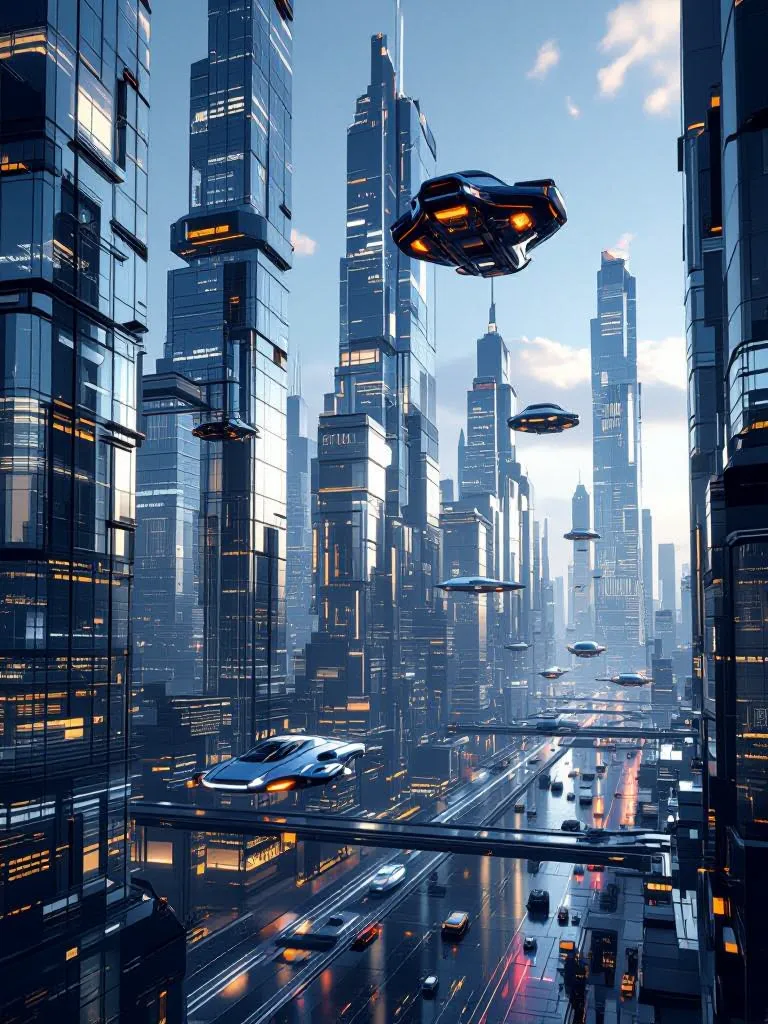
CGI stands for Computer Generated Imagery.
It includes:
• Computer generated images• Computer animation• Digital characters & virtual environments• CGI elements blended into live action footage• Realistic visual effects & simulations• Create images and visual effects for movies, TV, video games, and advertising
Modeling is the first step in the CGI process, where artists use special software to create 3D models of characters, objects, or environments.
Using advanced software and rendering tools, artists can generate highly detailed visuals that look like they came from a camera, not a machine. These dynamic images are used for animated films, video games, commercials, print media, television programs, and even real-time virtual experiences.
CGI lets creators build entire scenes, weather effects, monsters, robots, or futuristic cities without ever filming them in real life. CGI techniques involve a range of methods to create both simple and complex visuals, from basic shapes to detailed 3D models and immersive environments. CGI can produce everything from simple flat shapes to intricate 3D models, complete with realistic lighting, reflective surfaces, particle effects, and physics that mimic reality. CGI can also include special effects like explosions, weather effects, or entire digital environments to enhance the visual experience.
Understanding computer generated imagery means understanding the various techniques and computer software used in the pipeline behind it. CGI creation usually goes through several steps:
The result? Hyper-real visual effects that feel alive.
Adobe After Effects is primarily used for compositing and adding special effects in CGI.
Common software used in CGI production includes Autodesk Maya, Blender, Houdini, and Cinema 4D.

One of the earliest CGI moments appeared in Young Sherlock Holmes — the famous stained glass knight. However, the history of CGI technology can be traced back to the 1950s, when filmmakers used mechanical computers to create patterns onto animation cels. The first film to use CGI was Alfred Hitchcock's Vertigo in 1958, and the first Hollywood film to use CGI was Westworld (1973), featuring a scene with 'Gunslinger' vision. By the end of the 1970s, CGI was becoming more popular in science fiction movies. The 1980s saw a surge in CGI's use in movies, with films like Tron, The Last Starfighter, and Young Sherlock Holmes integrating CGI technology.
In the 1990s, CGI entered a golden era, with groundbreaking films like Terminator 2: Judgment Day, Jurassic Park, and Toy Story setting new benchmarks. Terminator 2 utilized extensive CGI to create the T-1000, a villain with unique, liquid metal properties. Jurassic Park introduced audiences to lifelike, large-scale computer-generated dinosaurs. The Matrix (1999) is known for the iconic 'bullet time' effect, which set new standards for action movies and their use of CGI. In 2001, The Lord of the Rings featured the first CGI character to interact with real actors, Gollum, using motion capture technology. The Transformers (2007) showcased the intricate detail achievable with CGI, with rendering individual frames sometimes taking up to 38 hours. Interstellar (2014) creatively used CGI to showcase a supermassive black hole and a tesseract. The Irishman (2019) is renowned for its use of de-aging technology, rejuvenating actors through CGI. Avatar (2009) features an intricately designed world complete with fantasy creatures, all crafted from scratch using CGI.
Later, CGI exploded with movies like Toy Story, the first feature film to be completely created with CGI animation, establishing 3D animation as a new standard for animated movies.
Since then, CGI films and CGI movies evolved quickly, giving us lifelike characters, digital backgrounds, complex visuals, and entire worlds built from code.
Behind every breathtaking computer generated image or dazzling visual effect lies powerful CGI software. These advanced tools are the backbone of CGI creation, enabling artists and technicians to design, animate, and render everything from lifelike digital characters to entire virtual environments. Whether it’s the playful toys of Toy Story or the epic space battles of Star Wars, CGI software brings the director’s vision to life with stunning detail and realism.
The CGI process is a collaborative effort involving a skilled animation team. Modelers sculpt digital skeletons and objects, texture artists add color and surface detail, animators breathe life into characters, and lighting specialists create mood and atmosphere. Using industry-standard software like Autodesk Maya and Blender, these CGI specialists craft dynamic images and complex visuals that seamlessly blend with live action footage or stand alone in fully animated films.
Modern CGI technology goes far beyond traditional animation. Motion capture records the movements of real actors, translating them into digital performances with authentic human motion and facial expressions. Artificial intelligence is increasingly used to automate certain aspects of animation and enhance the realism of generated imagery, making digital characters more believable than ever.
CGI software isn’t just revolutionizing the entertainment industry. It’s a driving force in video game graphics, advertising, architecture, and even education. The ability to create virtual environments and augmented reality experiences has opened up new possibilities for user interaction and immersive storytelling across multiple industries.
Since the first computer generated images appeared in the 1960s, CGI technology has evolved at a rapid pace. What began as simple wireframe models has grown into the ability to create entire worlds, fantastical elements, and detailed visuals that push the boundaries of imagination. Films like Young Sherlock Holmes showcased early CGI effects, while today’s blockbusters rely on CGI to create visuals that would be impossible with practical effects alone.
As CGI software and techniques continue to advance, the possibilities for visual storytelling are limitless. From animated movies to virtual reality, CGI plays a vital role in shaping the modern visual landscape—making the impossible not just possible, but believable.

Computer generated imagery isn’t just for film anymore. It powers industries across the world:
🎥 Movies & VFX
To enhance live action footage and create fantastical elements.
🕹 Video Game Graphics
For real time animation, facial expressions, and user interaction.
🌍 Virtual environments & VR
CGI builds immersive virtual worlds for exploration and training.
📺 Advertising + TV
Dynamic images and product visuals without expensive shoots.
🔎 Education & Simulation
AI driven rendering for scientific models and space visualization.
CGI technology continues to evolve with machine learning, generative AI, and powerful computing systems, making visual effects faster and more lifelike every year.
Because CGI allows creatives to imagine without limits.
It lets directors design weather storms that never existed, creatures that never lived, and cities that could only belong to the future. CGI plays a leading role in modern filmmaking, shaping genres, storytelling, tone, and even camera placement.
Without computer generated imagery, film would be smaller.
With CGI, entire galaxies become possible.
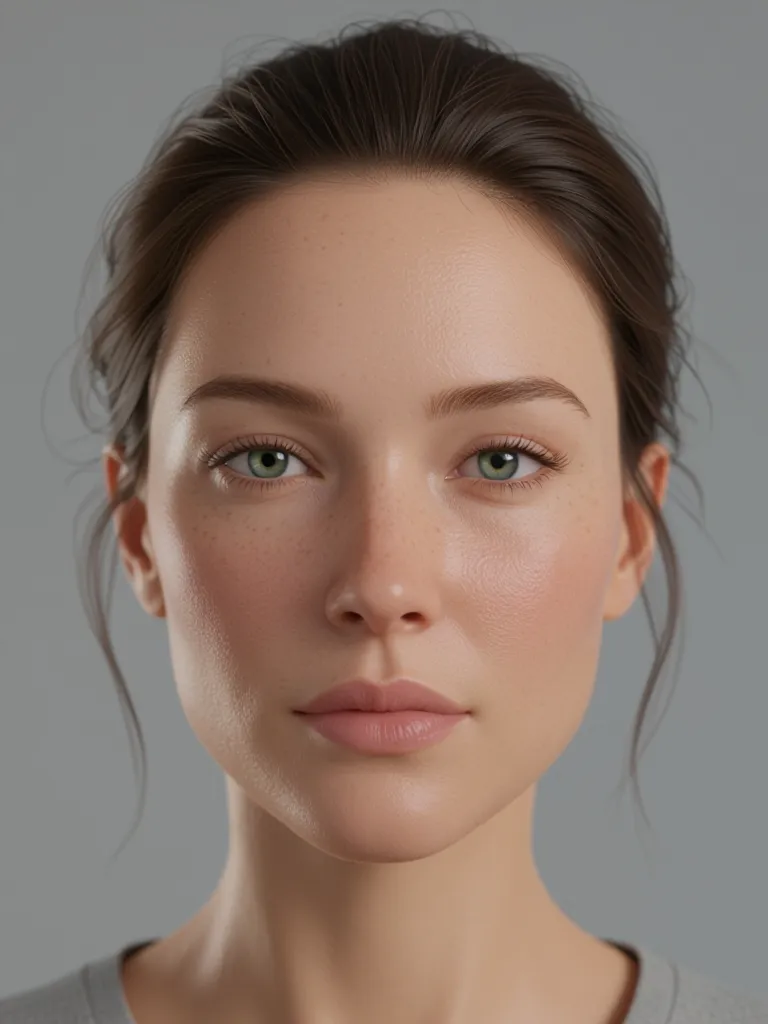
While traditional CGI requires powerful software, animation teams, rendering engines, and weeks of work, modern AI tools make visual creation far more accessible. One of the simplest ways to experiment digitally is through starryai, a platform that generates high quality visuals from text prompts alone.
You describe the scene, and starryai creates the image.
Why many artists use it alongside CGI workflows:
• Generate concept art fast
• Explore different lighting, textures, or style variations in seconds
• Create backgrounds, characters, and visual ideas before modeling them in 3D
• Great for storyboard creation and visual development
• No advanced software or GPU power required
How to generate CGI style images using starryai:
For many filmmakers and designers, starryai works as a creative pre-visualization tool — a way to test ideas before animators and VFX teams spend days building assets manually. Faster brainstorming means better final output.
AI will not replace CGI, but it accelerates imagination.




.svg)