


Written by Mo Kahn on
December 2, 2025


A cartoon outline is the backbone of any cartoon character, defining its shape and features. In this article, you’ll discover what makes a good cartoon outline and how to create one using both digital and traditional tools. Get ready to elevate your cartooning skills, even if you dedicate just a few minutes each day .
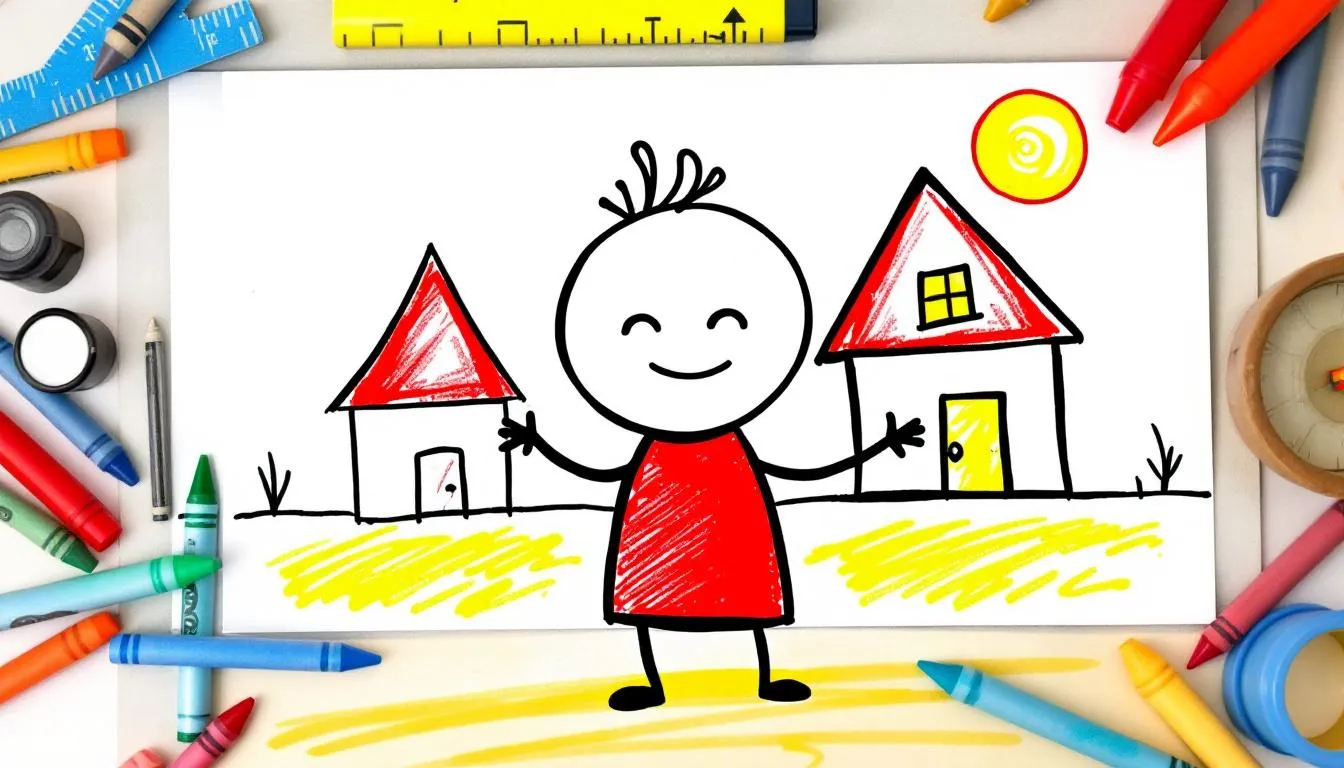
Cartoon outlines serve as the foundational structure of any cartoon, much like blueprints for a building. They guide the overall composition and shape of the cartoon, ensuring that the character’s form is coherent and visually appealing. Even the most imaginative character designs can fall flat without a well-defined outline, as they can lack the essential things that make them engaging .
Cartoon outlines primarily define the character’s shape and structure, which is crucial for creating visually appealing cartoons that capture the viewer’s attention. Outlines help emphasize key features of cartoon characters, such as facial expressions and body language, which are essential for conveying their personality and emotions. Additionally, the use of outlines can create a sense of depth and dimension, making characters appear more dynamic and engaging. Different tools and techniques, such as varying pen types and pressure sensitivity, can influence the appearance of lines and allow artists to create different things or visual effects in cartoon outlines.
Clear and well-executed outlines effectively communicate the character’s features and emotions. Simplifying shapes through outlines helps artists focus on the character’s volume and form, making them more engaging and relatable.
A foundational understanding of anatomy, even in a stylized format, can significantly enhance the believability of cartoon characters. This knowledge helps in creating more realistic and relatable characters, even when exaggerated for comedic or dramatic effect.
Creating cartoon outlines involves various tools, broadly categorized into digital tools, traditional tools, and hybrid approaches. Each tool type offers unique advantages, suitable for different artist preferences and project requirements. In digital drawing software or online platforms, users can use the search function to quickly locate specific cartoon outline tools or templates.
Digital tools streamline the drawing process and offer greater flexibility. Traditional tools provide a tactile experience and a different kind of control over the medium.
Hybrid approaches merge the best of both worlds, enabling artists to explore creative possibilities and refine techniques.
Adobe Illustrator, a powerful vector graphics editor, is widely used for creating scalable cartoon outlines. Its precision and versatility make it ideal for producing clean, professional-quality outlines with a variety of brush option .
Procreate, favored for its intuitive interface, offers a wide range of brush options tailored for cartoon outlining, making it easy to achieve the desired love effect.
Clip Studio Paint, especially popular among comic artists, offers a unique combination of drawing tools and features for creating detailed and dynamic cartoon outlines. The software’s robust capabilities make it ideal for both beginners and experienced artists to create different things .
Hand-drawing cartoon outlines typically involves using specific pencils tailored for smooth application. These pencils provide the control needed to sketch out the basic shapes and structure of the character. Inking pens are crucial for adding fine details to cartoon outlines, ensuring precision and clarity in the final product.
Markers, often used in traditional cartooning, provide vibrant colors and the ability to layer. They play a vital role in creating bold and dynamic cartoon outlines. Traditional tools like pencils, ink pens, and markers are indispensable for many artists, offering a hands-on approach that can be both satisfying and creatively fulfilling, giving a unique feel to the artwork .
Hybrid approaches use both digital and traditional tools, allowing for more creative flexibility. This method can result in unique styles that attract a wider audience, as it combines the tactile nature of traditional drawing with the precision and versatility of digital techniques.
Artists can sketch outlines traditionally, then use digital tools to refine and enhance them for a polished finish. This approach not only enhances the visual appeal of cartoon outlines but also optimizes the workflow, making it easier to experiment and iterate on designs.

Creating cartoon outlines involves a structured approach: initial sketching, refining details, and inking. This systematic process allows for a more organized workflow, ensuring that each stage builds upon the previous one to create a cohesive and polished final product. Dedicating just a few minutes each day to practicing cartoon outlines can lead to noticeable improvement over time.
Breaking the process into manageable steps allows artists to focus on each aspect of the outline, from basic shapes to intricate details, leading to more effective and engaging cartoon outlines in just minutes. By following these steps, you will achieve a polished cartoon outline at the end of the process.
Start with fundamental shapes provides a solid foundation for cartoon characters. Begin by drawing simple geometric shapes such as circles and squares to define the basic structure of your character. These shapes help establish proportions and the overall silhouette, making it easier to build upon the initial sketch.
Blocking out basic geometric shapes to outline the character’s proportions and stance is a crucial first step. This simplifies the process and ensures the character’s form is coherent and balanced.
Enhancing your cartoon outlines allows you to make them stand out and feel more professional. Refine your sketch by adding depth with line variation and incorporating textures to create a more dynamic and engaging piece.
During refinement, add details like facial features and clothing to enhance character features and achieve a more polished appearance.
Use inking tools to enhance outlines, ensuring sharpness and clarity for a polished final look. Specialized inking tools can improve line quality, ensuring the final outline is clean and distinct.
Inking requires confidence and a steady hand, as it finalizes the cartoon’s outline with clean, bold lines to provide definition. Trace over your refined sketch with a fine-tipped pen or digital inking tools, ensuring smooth and well-defined lines.
Creating a cartoon outline transforms initial ideas into a finalized character design through multiple stages. Keeping outlines straightforward is crucial, as simpler designs tend to communicate ideas more effectively.
Add features like facial expressions and clothing details to make the character more recognizable and dynamic. Varied techniques can significantly improve the visual appeal of your cartoon outlines.
Varying line thicknesses can create a more dynamic effect, allowing artists to express depth and emphasis in their outlines. Adjusting line thickness creates an illusion of depth, helping to emphasize different elements within your cartoon.
To make cartoon outlines more professional, use techniques that emphasize clarity and contrast. Mixing thin and thick lines helps create depth, emphasizing certain areas in your drawings.
Textures add visual interest to cartoon outlines, making them appear more lively and engaging. Applying different textures to outlines enhances visual interest and brings a more dynamic feel to cartoon artwork.
Textures can transform a flat drawing into a more dynamic and engaging piece. This technique significantly enhances the dynamism and visual interest of your cartoon designs.
Exploring different artistic styles can significantly influence the overall character design. Different artistic styles help find the perfect look that aligns with your creative vision.
Combining digital and traditional tools allows blending styles for unique cartoon outlines. Experimentation leads to discovering new creative styles and techniques that enhance cartoon art.
A frequent error is overthinking the outline, leading to unnecessary complexity. Addressing these common pitfalls leads to more effective and engaging cartoon outlines.
Artists often overcomplicate their cartoon outlines, leading to confusion in the final product. Avoid overcomplication by focusing on clear outlines that succinctly define your character.
It’s often more effective to focus on simple and clear outlines that convey the character’s essence. Straightforward outlines enhance clarity and focus in cartoon designs. Artists sometimes add excessive detail to outlines, making them cluttered and difficult to read.
Keeping outlines minimal helps in focusing on the main shapes, making the cartoon more recognizable.
Basic anatomy understanding is crucial even in cartooning, as it allows for more realistic and relatable characters. Anatomy knowledge helps define proportions and body language, essential for conveying emotions effectively in cartoons and serves as a vital tool in character design .
Ignoring anatomy basics can result in distorted or unbalanced cartoon characters, detracting from the overall art. Incorporating anatomical understanding into outlines helps achieve a better sense of movement and personality in characters.
Consistency in cartoon outlines enhances the overall visual coherence and aesthetic appeal of characters. Neglecting consistency can make cartoon outlines appear disjointed or poorly executed, diminishing the viewer’s experience.
To ensure consistency, adhere to a defined style guide and practice regularly to refine technique and maintain uniformity.

Outlines are crucial in animation, guiding movement and consistency of character design throughout frames. Maintaining a uniform style throughout a cartoon ensures professional quality and coherence.
Inconsistent character design confuses viewers and disrupts the narrative flow of the cartoon. A consistent style throughout the cartoon creates a cohesive look that engages the audience.
Strong outlines in comic book art:
Incorporating textures into outlines creates interest and a unique style that resonates with the comic’s theme. Experimenting with various artistic styles helps comic artists determine which outlines best complement their work. Enhanced outlines captivate audiences and elevate comic book art’s aesthetic value.
Outlines in animations highlight moving objects, making them stand out against static backgrounds. This maintains clarity and focus throughout the animated sequence. Outlines are crucial in animated sequences, differentiating characters and elements within a scene.
Consistent cartoon outlines in animations ensure characters remain recognizable across different frames, enhancing the viewer’s experience. This consistency is key to professional animation quality and creates a seamless storytelling flow.
Cartoon outlines serve as the foundation for standalone illustrations, allowing artists to define shapes and add depth to characters. Cartoon outlines are an essential tool in various creative projects, including comics, animations, and standalone illustrations.
Strong outlines enhance comic book art by drawing attention to character details and actions. Outlines in animations define character features and maintain consistency across frames.
Cartoon outlines offer virtually limitless creative expression, making them a versatile free tool for any artist.
In summary, mastering the art of creating cartoon outlines involves understanding their foundational role, using the right tools, and following a structured process. From sketching basic shapes to refining and inking, each step is crucial for developing professional and engaging cartoon characters. Enhancing your outlines with techniques like line variation, texture incorporation, and style experimentation further elevates your work.
Avoiding common mistakes such as overcomplicating outlines, ignoring anatomy basics, and neglecting consistency ensures your characters are clear, realistic, and visually appealing. Whether used in comics, animations, or illustrations, cartoon outlines are a powerful tool for any artist. Embrace these techniques and watch your characters come to life with personality and depth!
A cartoon format is basically a fun and creative way to tell stories or share messages using drawings, often with a humorous twist. You’ll see it in everything from comic strips to animated shows!
A sketch is a standalone piece of art, while an outline is more of a rough plan or framework for future work. So, if you're getting started, think of an outline as your roadmap and a sketch as the journey itself!
Cartoon outlines are super important because they shape a character's look and highlight their features, making them fun and eye-catching in every cartoon design . They really bring the whole design to life!
If you're looking to create cartoon outlines, definitely check out Adobe Illustrator, Procreate, and Clip Studio Paint—they're super popular for a reason!
To add depth to your cartoon outlines, try using varying line thicknesses and adding textures. It'll make your cartoons way more dynamic and visually engaging with creative touches !




.svg)