

Written by Mo Kahn on
April 13, 2026


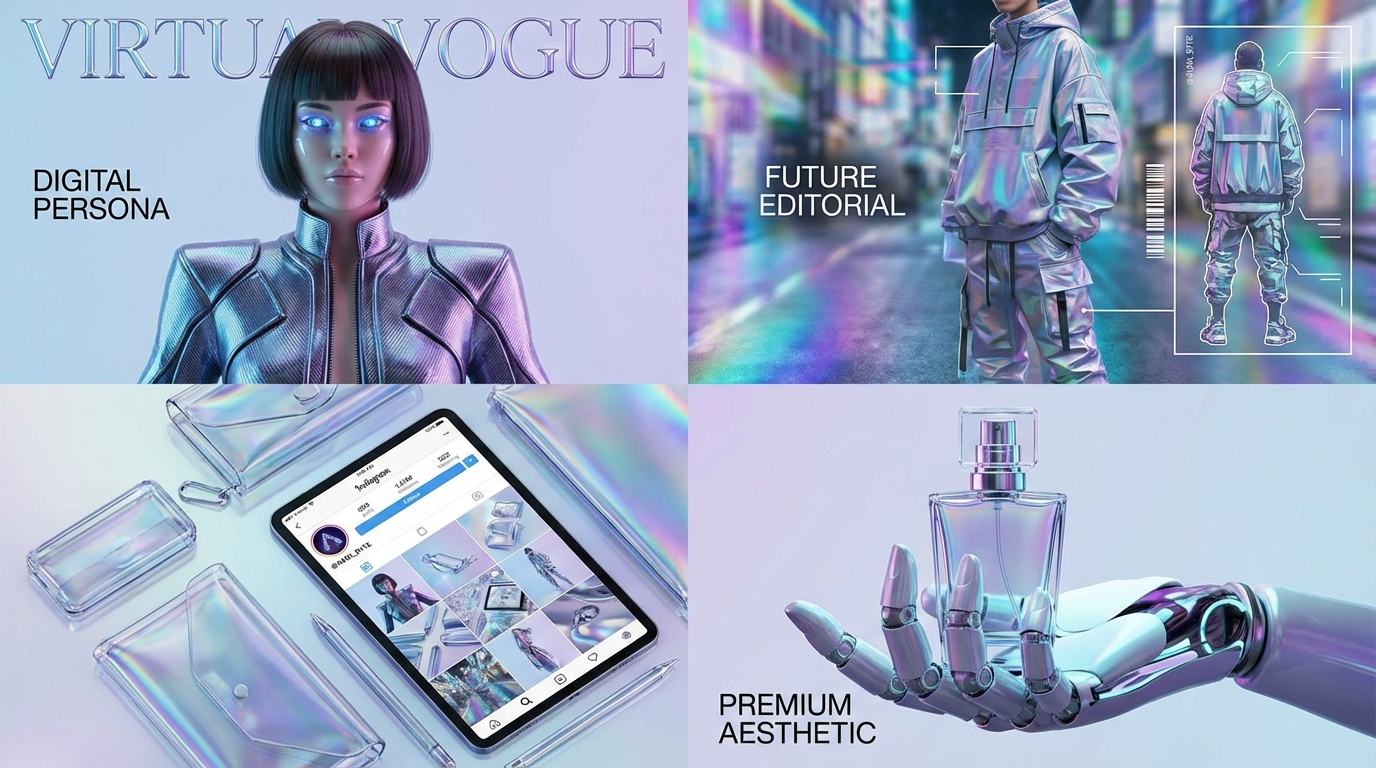
The rise of virtual creators has made the keyword ai influencer generator much more relevant. Brands, creators, and agencies are exploring how AI can help generate influencer-style visuals for campaigns, concept testing, avatars, fictional personas, and social-first content. In 2026, this is no longer just a trend experiment. It is part of how teams think about scalable visual identity.
An ai influencer generator can help produce portraits, content concepts, character-driven visuals, and branded looks for fictional or semi-fictional online personas. With starryai, creators can explore different aesthetics quickly and test how a digital personality might look across styles, moods, and content directions.
An ai influencer generator is a tool that helps create influencer-style human visuals with AI. These can range from realistic editorial portraits to stylized social-ready images that look like content a creator might post online.
This can be used for:
The value is not just in creating a face. It is in building a consistent visual identity around that face.
Faster Campaign Concepting
Brands can test creative directions quickly before full production.
Character-Led Storytelling
A fictional creator or digital persona can become part of a broader content system.
Lower Production Friction
Not every concept needs a real shoot before the idea is validated.
A Clear Aesthetic
Is the persona luxury, lifestyle, fitness, fashion, gaming, beauty, travel, or tech-focused? The style should be obvious.
Consistent Identity
If the face changes too much between images, the concept breaks. The strongest workflows focus on identity consistency.
Social-Native Visuals
The image should feel like something that could realistically appear on Instagram, TikTok, or a campaign page.
Brand Fit
An influencer concept should feel aligned with the audience and product category it is meant to support.
Define the Persona First
Before prompting, decide:
Use Strong Prompt Structure
A more useful prompt might be:
“Photorealistic fashion influencer portrait, soft daylight, modern streetwear, luxury lifestyle vibe, clean editorial Instagram aesthetic.”
Build a Visual System
Think beyond one image. An influencer identity should work across multiple looks and contexts.
Keep Results Believable
The most compelling AI influencer content often feels grounded and polished, not overly synthetic.
Brand Mockups
Marketing teams can test what a virtual face-led campaign might look like.
Social Media Concepts
Creators can build fictional personas for narrative content or visual experimentation.
Character Development
Agencies and storytellers can use AI influencer visuals to shape digital personas over time.
Product Content
AI-generated faces can help frame beauty, lifestyle, and fashion content direction during concept phases.
AI influencer work also raises important questions around transparency, authenticity, and ethics. Teams using these visuals should be careful about how synthetic personas are presented, especially in contexts where audiences could assume they are real people.
That means the strongest use cases tend to be concept development, fictional creative projects, or clearly framed virtual brand assets - not deceptive impersonation.
starryai is useful here because it gives creators a quick way to explore human-centered visuals with strong aesthetic control. It is especially helpful when the goal is not to finalize a whole influencer system instantly, but to rapidly explore what a digital persona could look like.
That flexibility makes it useful for fashion, lifestyle, beauty, creator branding, and early-stage campaign ideation.
What is an AI influencer exactly?
An AI influencer is a fictional digital persona - a character that exists only through AI-generated images and content - that functions like a real social media influencer. They have a consistent appearance, personality, content niche, and audience. Brands use AI influencers for marketing campaigns that don't rely on real human talent, and creators use them for storytelling and world-building projects.
Can I use an AI-generated influencer for real brand marketing?
Yes. AI influencers have been used successfully in commercial marketing campaigns for fashion brands, beauty products, lifestyle brands, and technology companies. The key requirement in most markets is transparency - audiences and advertisers increasingly expect disclosure when content features AI-generated personas rather than real humans. Check the advertising guidelines relevant to your market.
How do I maintain visual consistency across many images?
Consistency is the main challenge when building an AI influencer visual identity. The most effective approach is to develop a detailed "character sheet" prompt - a comprehensive description of the character's physical features, typical styling, and aesthetic that you use consistently across all generations. Small variations are natural and even desirable, but the core visual identity should remain recognizable.
What content niches work best for AI influencers?
Visually-driven niches tend to work best - fashion and style, travel and lifestyle, fitness and wellness, beauty, home decor, and food. These are contexts where strong, consistent imagery is the primary content format and where AI generation can produce compelling visuals without requiring real-world experience or presence.
Is creating an AI influencer ethical?
AI influencers are a legitimate creative and business tool when used transparently. The ethical consideration is disclosure - audiences deserve to know when they're engaging with an AI-generated persona rather than a real person. Many successful AI influencers are openly marketed as AI characters, which has actually become a distinctive identity in itself. Transparency builds trust, while deception erodes it.
An ai influencer generator is really about identity design at scale. It helps creators and brands explore what a digital persona could look like before investing in a larger creative system.
With starryai, users can test styles, moods, and persona directions quickly, making it easier to build virtual influencer concepts that actually feel intentional and visually strong.



.svg)