

Written by Mo Kahn on
April 13, 2026


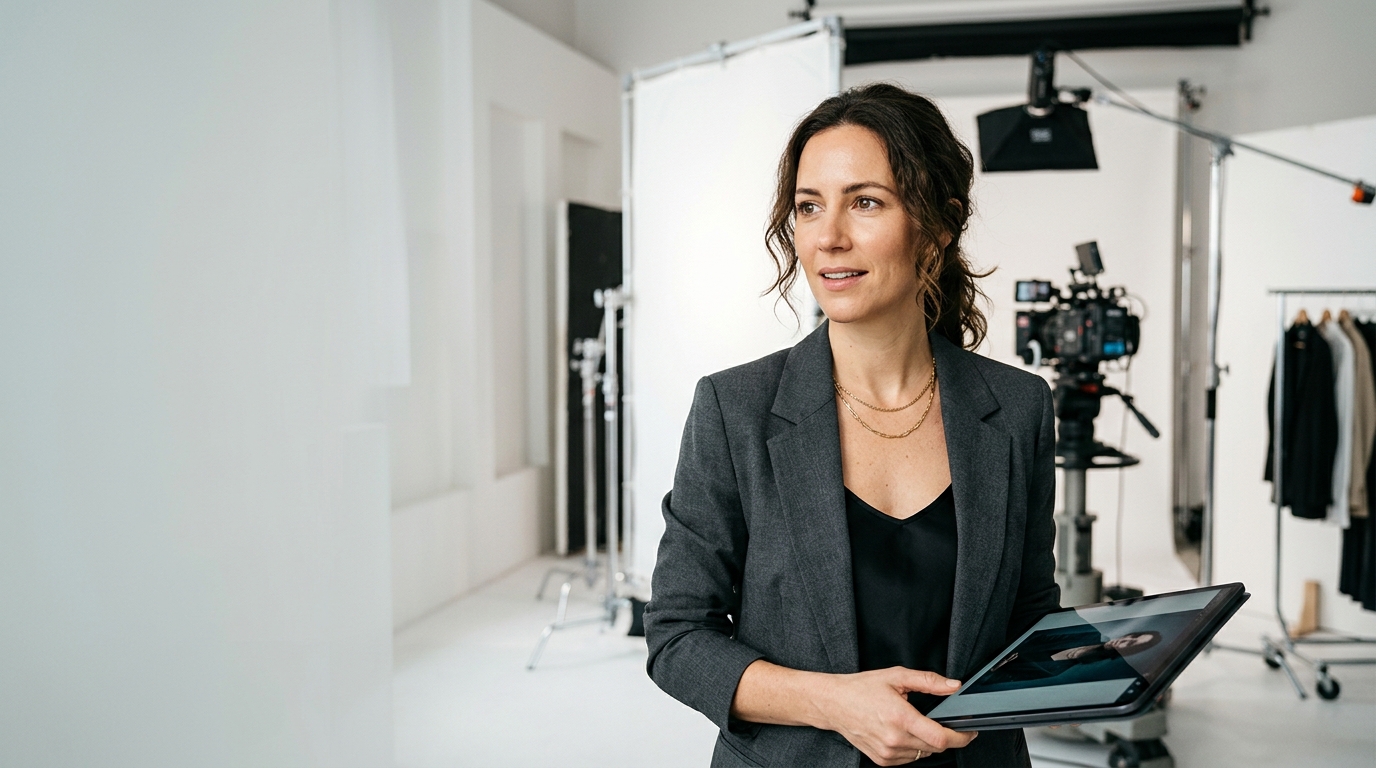
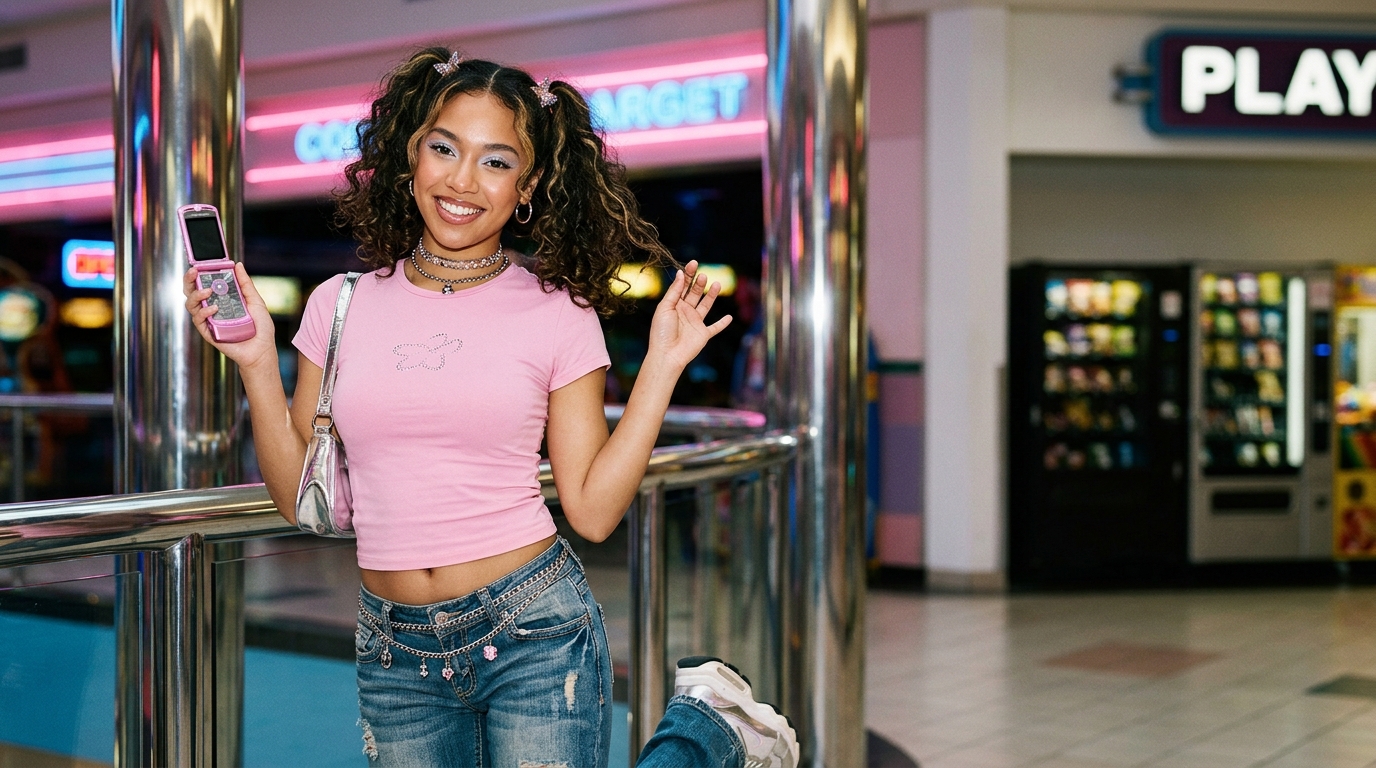
A marketing shoot is not just a nice-looking portrait session. It is a visual strategy decision. When people search for marketing shoot ideas, they usually want images that feel polished enough for ads, landing pages, launch graphics, beauty campaigns, creator kits, or founder branding. The challenge is that truly strong marketing imagery usually requires a lot of moving parts. You need a concept, styling, lighting, composition, and a point of view that matches the brand. That is why this keyword matters for starryai. Many users are not looking for abstract inspiration. They want a practical way to upload a photo, guide the visual direction, and create something that feels campaign-ready. In this guide, we will break down what a marketing shoot actually is, what separates commercial visuals from ordinary portraits, and how to use starryai's Edit workflow to build stronger brand images.
A marketing shoot is any photo concept built with business intent. The final images are meant to sell, position, or communicate something clearly. That can include:
The visual goal is not only beauty. It is clarity plus polish.
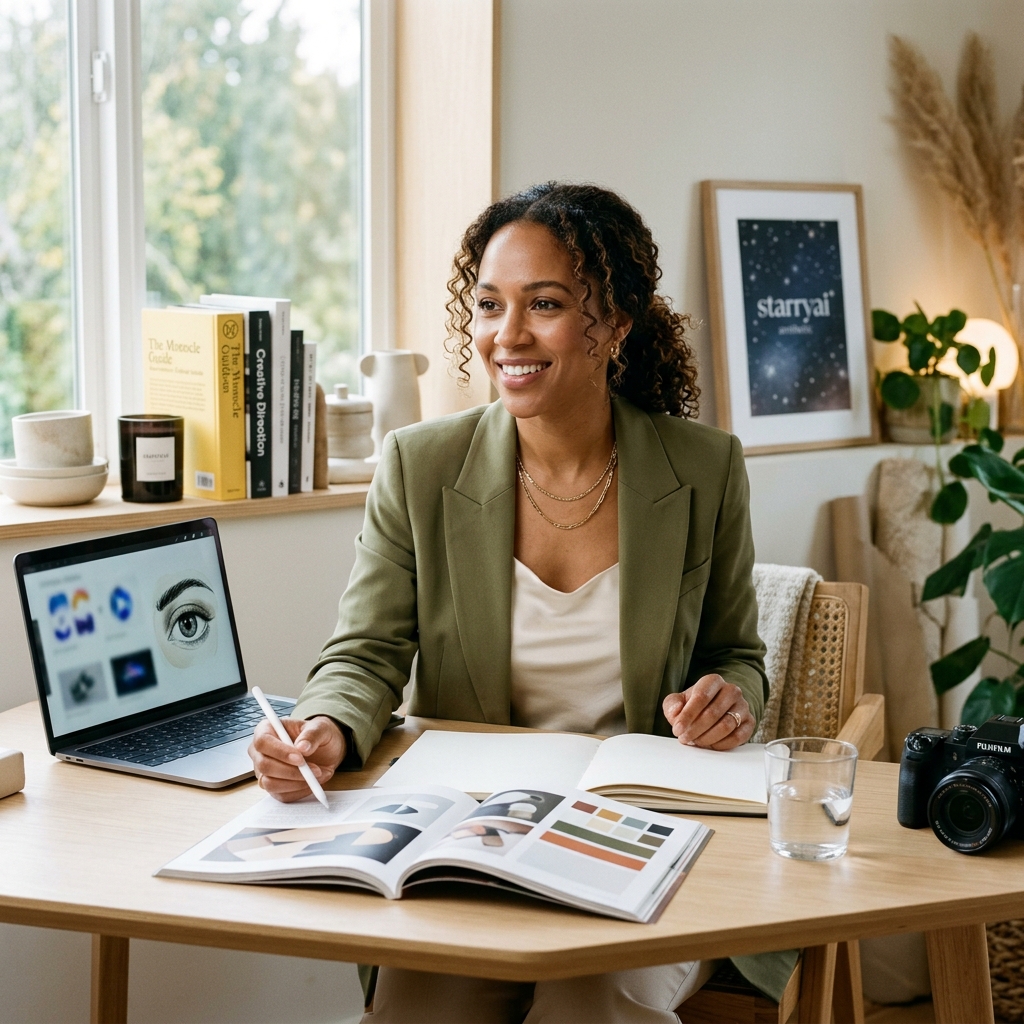
A regular portrait can simply capture a person well. A marketing shoot has to do more than that. It has to support a message. For example:
That is why details matter more in a marketing shoot. Background, expression, styling, crop, and light all affect how the brand is perceived.
A lot of people already have a decent starting photo. What they do not have is a full creative team. They may need to turn a simple portrait into a skincare-ad style image, or a casual founder headshot into something that feels launch-ready. starryai helps close that gap. Instead of starting from zero, users can upload a real image into Edit, then prompt it toward a more commercial direction. That makes the workflow practical for:
Not all marketing visuals should look the same. Before editing, it helps to choose one direction.
Clean beauty campaign
Think minimal palette, dewy skin, soft close-up composition, refined lighting, and premium simplicity.
Founder branding
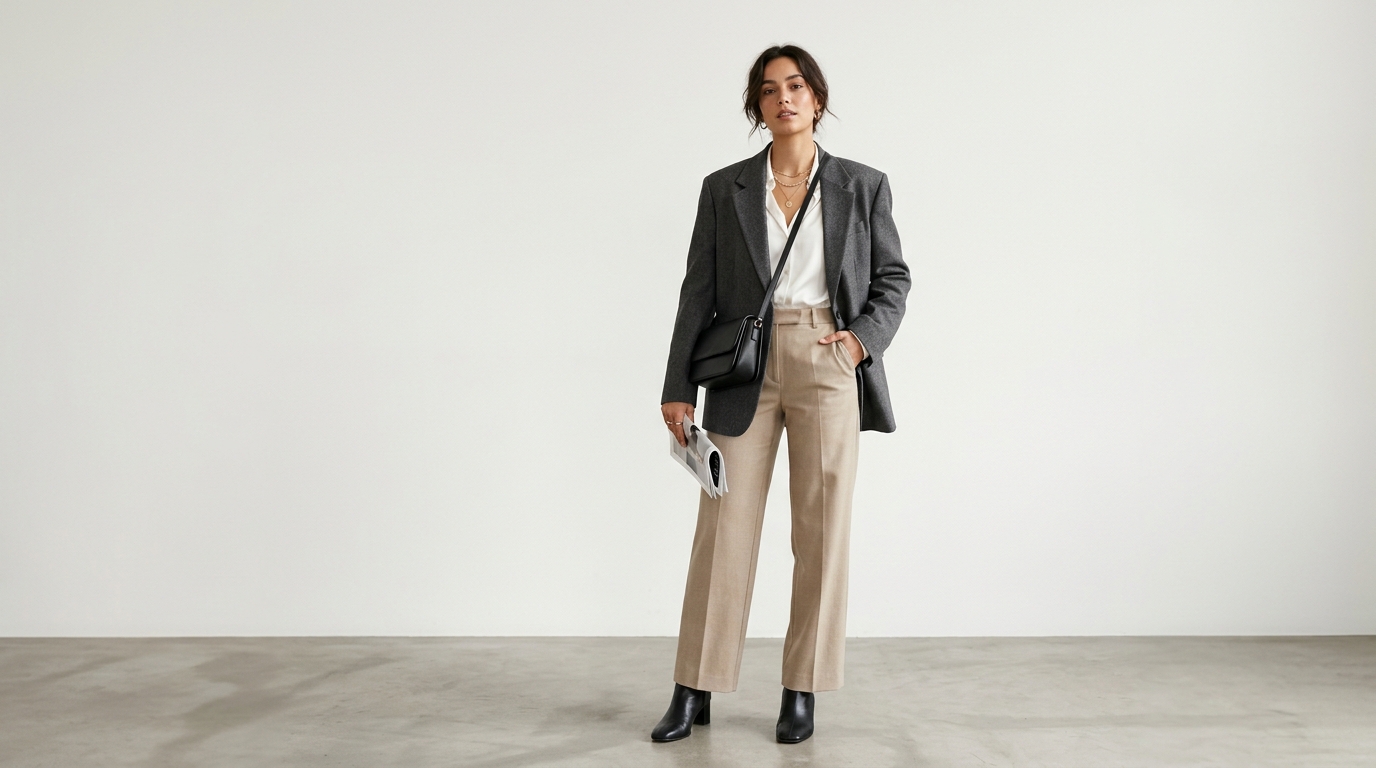
This direction works well for websites, interviews, decks, and press usage. The goal is polished but believable.
Lifestyle ad creative
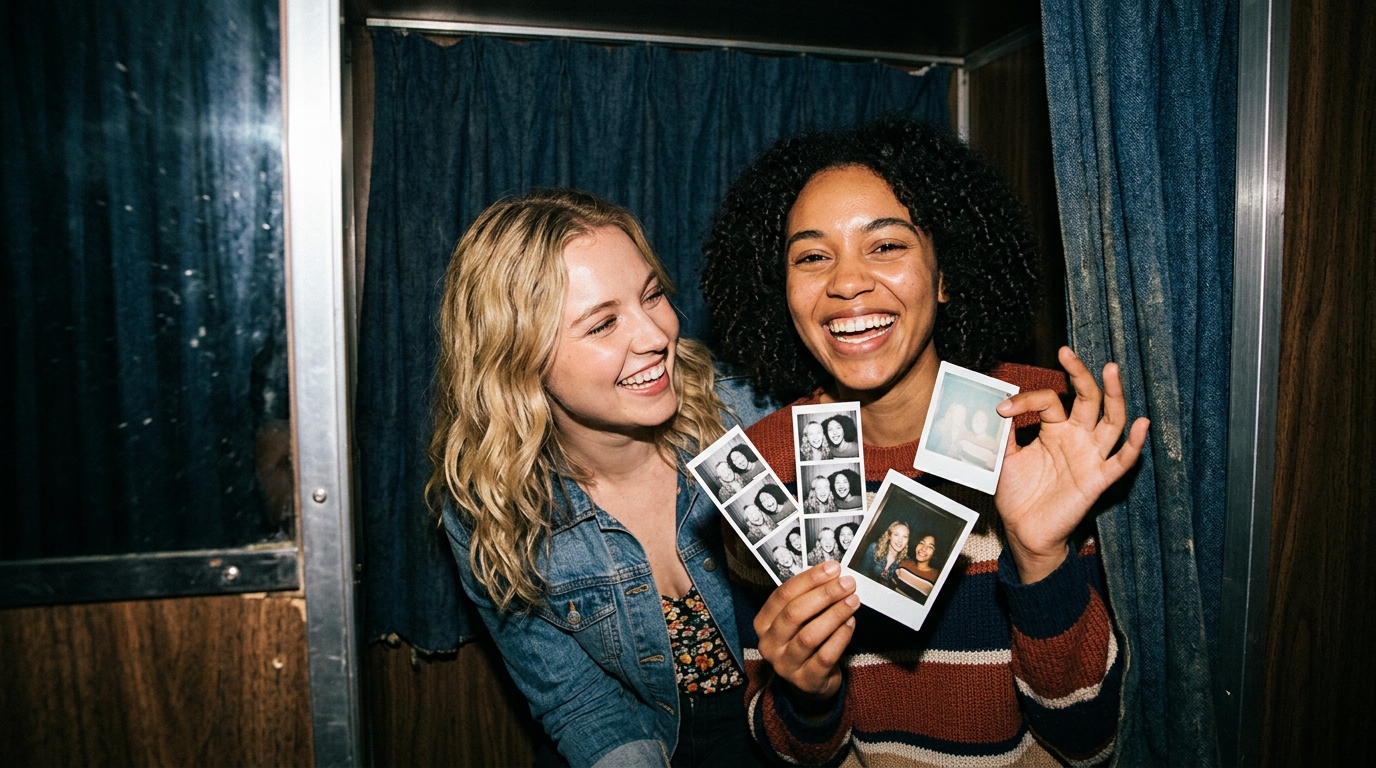
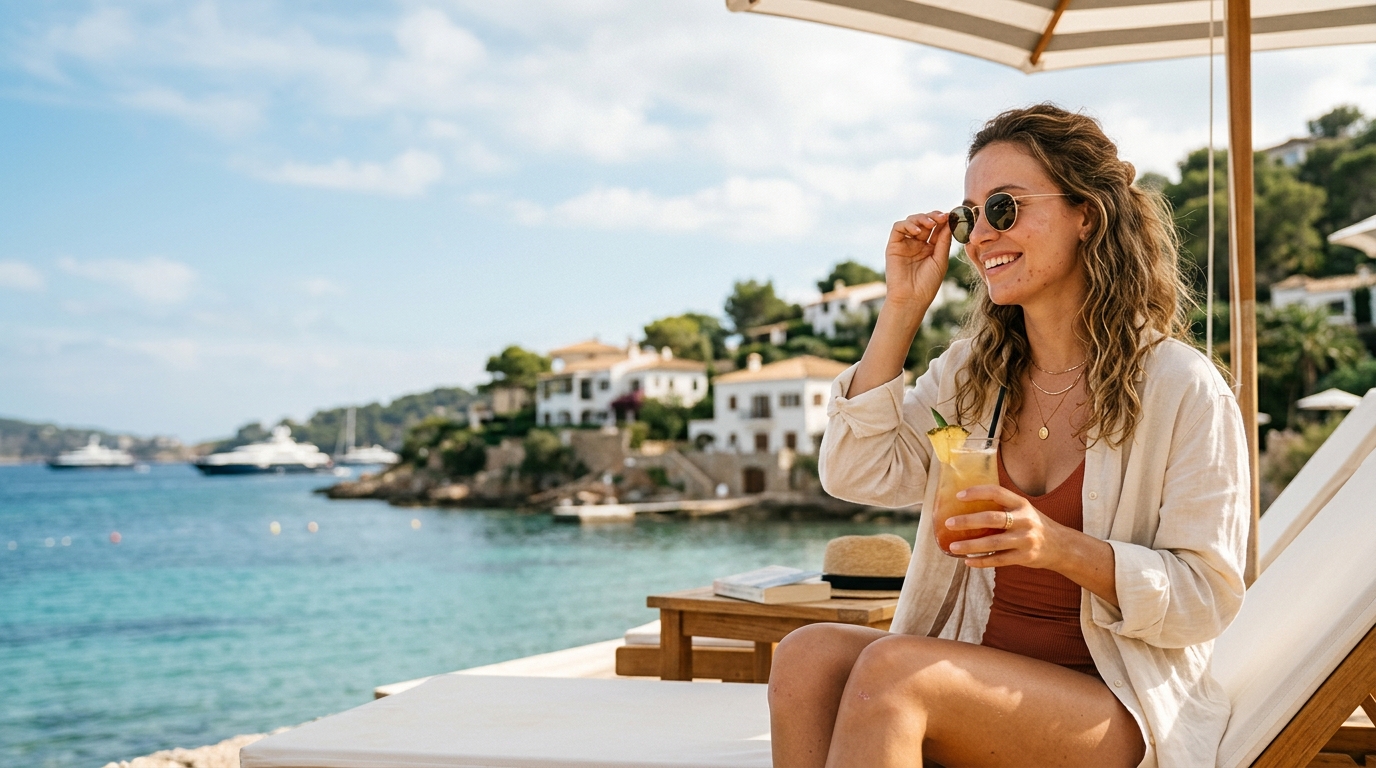
This style feels more natural and approachable. It is good for brands that want warmth and relatability.
Luxury launch imagery
This version uses stronger styling, upscale materials, and more dramatic composition.
Wellness and skincare visual identity
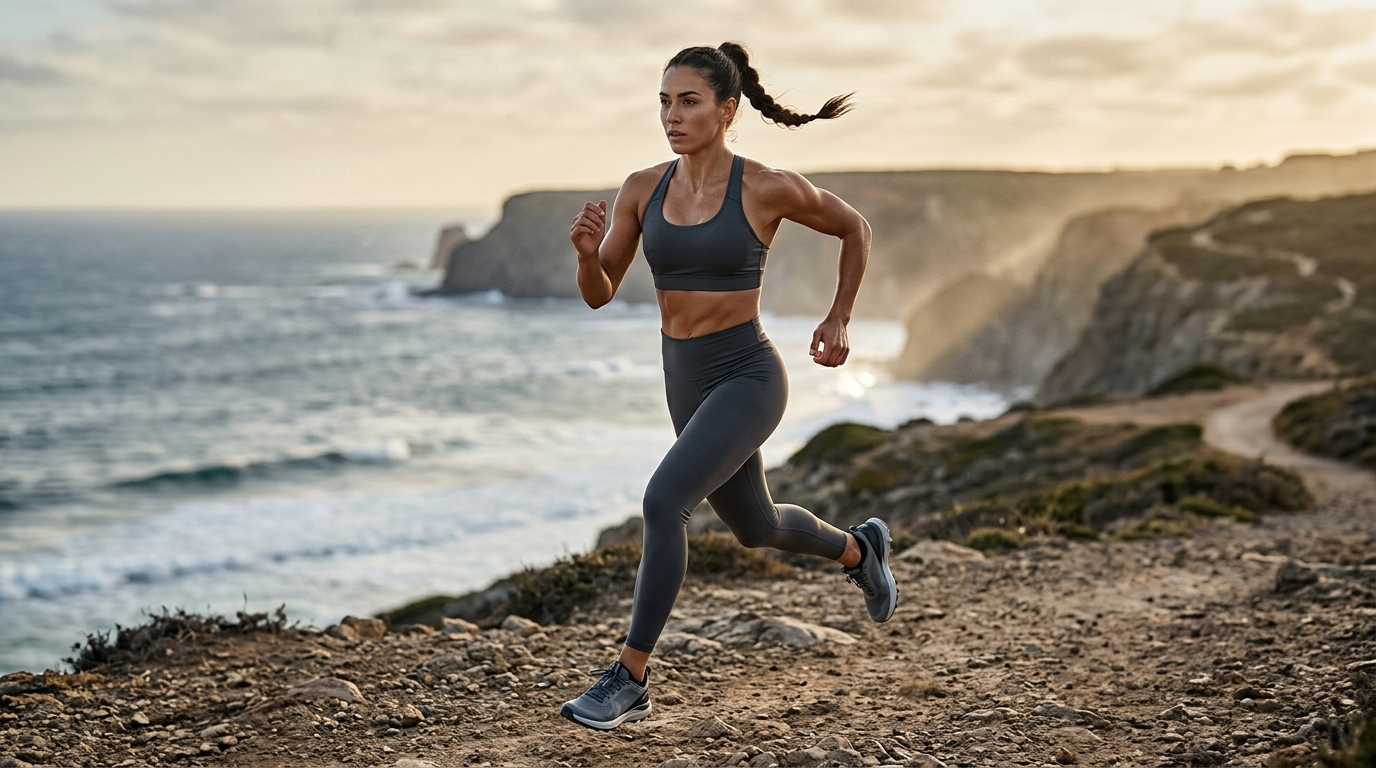
Bright light, fresh skin, neutral backgrounds, and clean commercial softness usually work well here.
1. Decide what the image needs to do
Ask a simple question first: what is this image for? That answer changes everything. A landing page hero image should be broader and clearer. A beauty campaign image can be tighter and more stylized. A founder portrait may need to feel more human and direct.
2. Choose one brand mood
Avoid mixing too many aesthetics at once. Pick one clear mood such as:
3. Keep the frame readable
Commercial images usually work best when the subject is easy to understand right away. Too much clutter weakens the message.
4. Think in terms of use cases
One image may work better for an ad. Another may work better for a website banner. Generate variations with those end uses in mind.
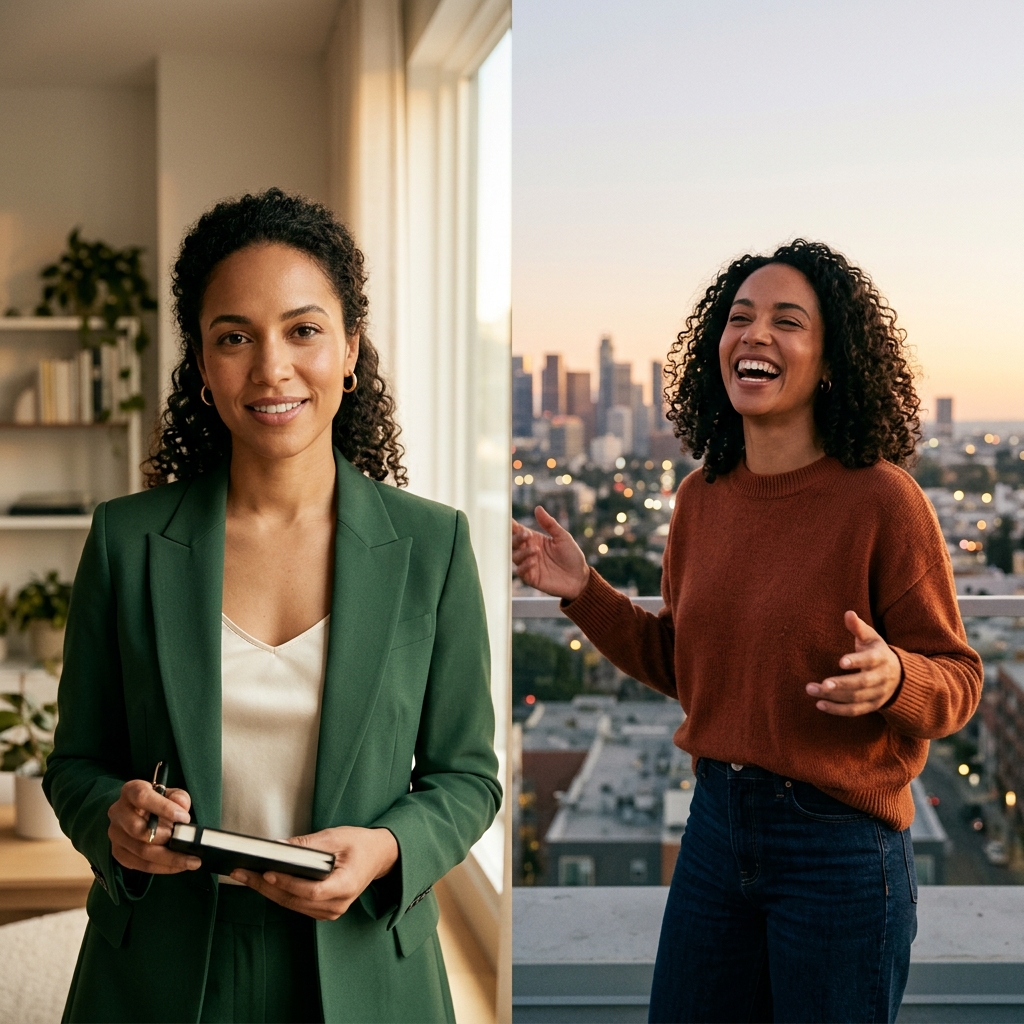
This is one of the strongest starryai workflows because it starts from something real.
Step 1: Upload a source photo
Choose a portrait, founder image, beauty close-up, or lifestyle image with clear lighting and a readable subject.
Step 2: Open Edit and define the campaign direction
Tell starryai what the commercial outcome should be. Be specific about whether you want beauty-campaign polish, founder branding, or premium lifestyle ad energy.
Step 3: Add the brand details
Prompt for the actual cues that make an image feel commercial:
Step 4: Generate multiple versions
Do not stop at the first result. One version may be too editorial. Another may feel more useful for ads. Variation is part of the workflow.
Step 5: Pick the best image for the specific marketing job
The best image is the one that fits the page, ad, or campaign most clearly.
Saying only marketing shoot
That is too broad. The model needs the actual campaign direction.
Overdecorating the scene
Too many props can make the image look confused instead of strategic.
Forgetting the brand tone
A luxury brand, beauty brand, and startup founder should not all look the same.
Choosing a weak source image
Edit can improve a photo, but starting with a clear image still helps a lot.
Using one output everywhere
Different placements often need different crops and moods.
A marketing shoot style works especially well for:
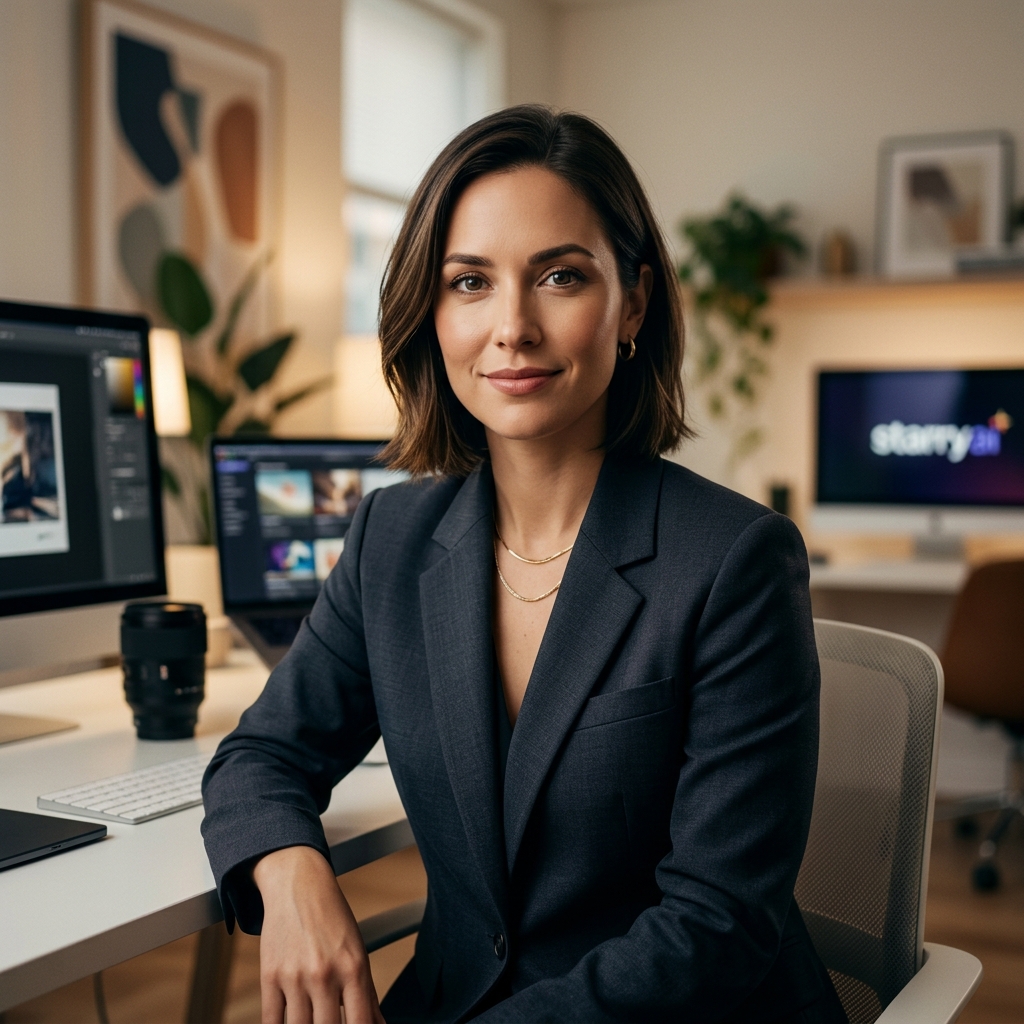
Marketing-shoot style content performs on TikTok because it promises a visible upgrade. Viewers like seeing a casual portrait turned into something that looks ad-ready, founder-ready, or campaign-ready. This kind of post works especially well when the contrast is obvious:
Creators can use this trend in a few practical ways:
If these pages are going to be blogs rather than thin service pages, the most useful angle is to explain the real workflow. A marketing shoot is valuable because it helps people create visuals with business intent, not just beauty. For starryai users, the practical path is simple: upload a real photo, use Edit, prompt the campaign direction clearly, generate a few variations, and choose the version that actually supports the brand goal. That combination of realism, flexibility, and speed is what makes starryai useful for marketing visuals.



.svg)