

Written by Mo Kahn on
April 13, 2026


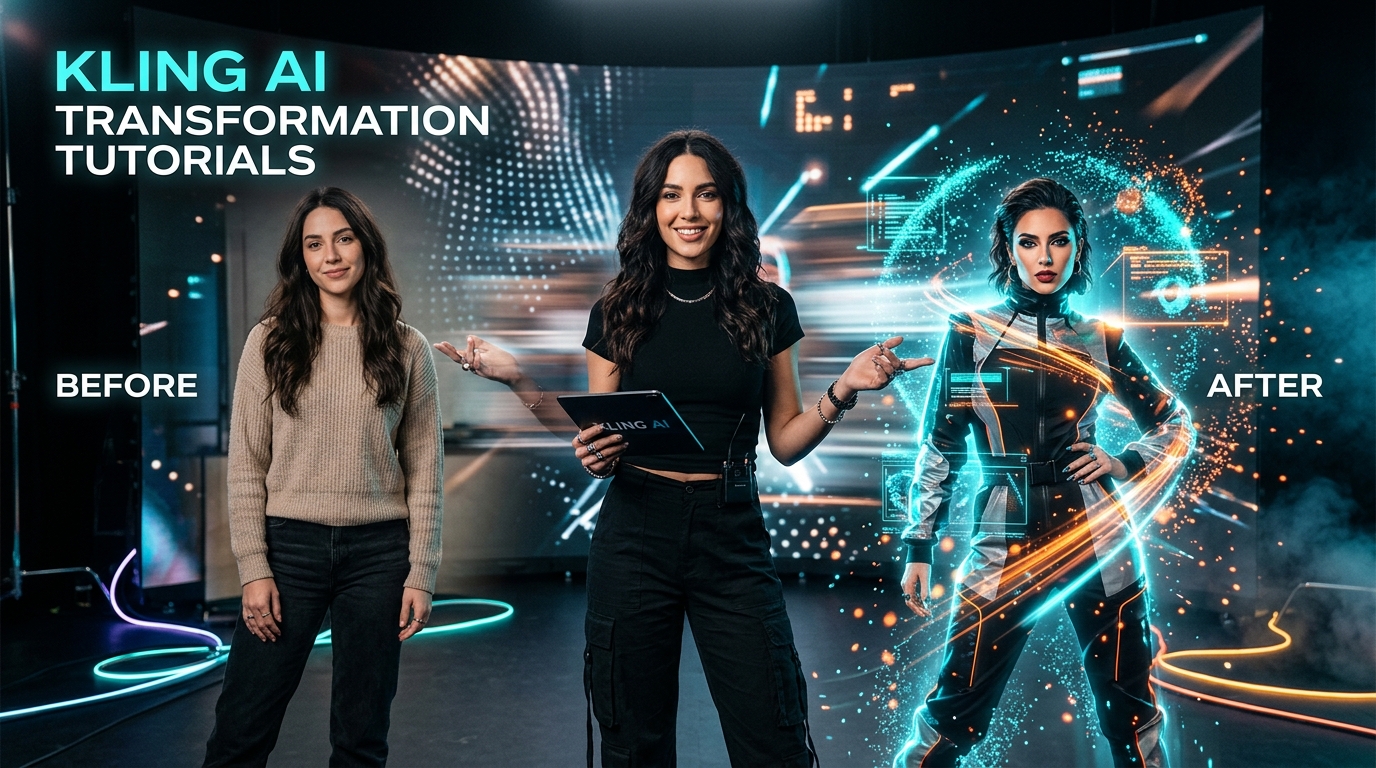
Search interest around Kling AI transformation tutorials keeps growing because creators want the same thing: a smoother way to make transformation videos that actually look intentional instead of random.
Transformation content works on TikTok because it creates immediate curiosity. Viewers want to see the change happen. But the gap between a forgettable transformation and a strong one usually comes down to planning, not only the tool.
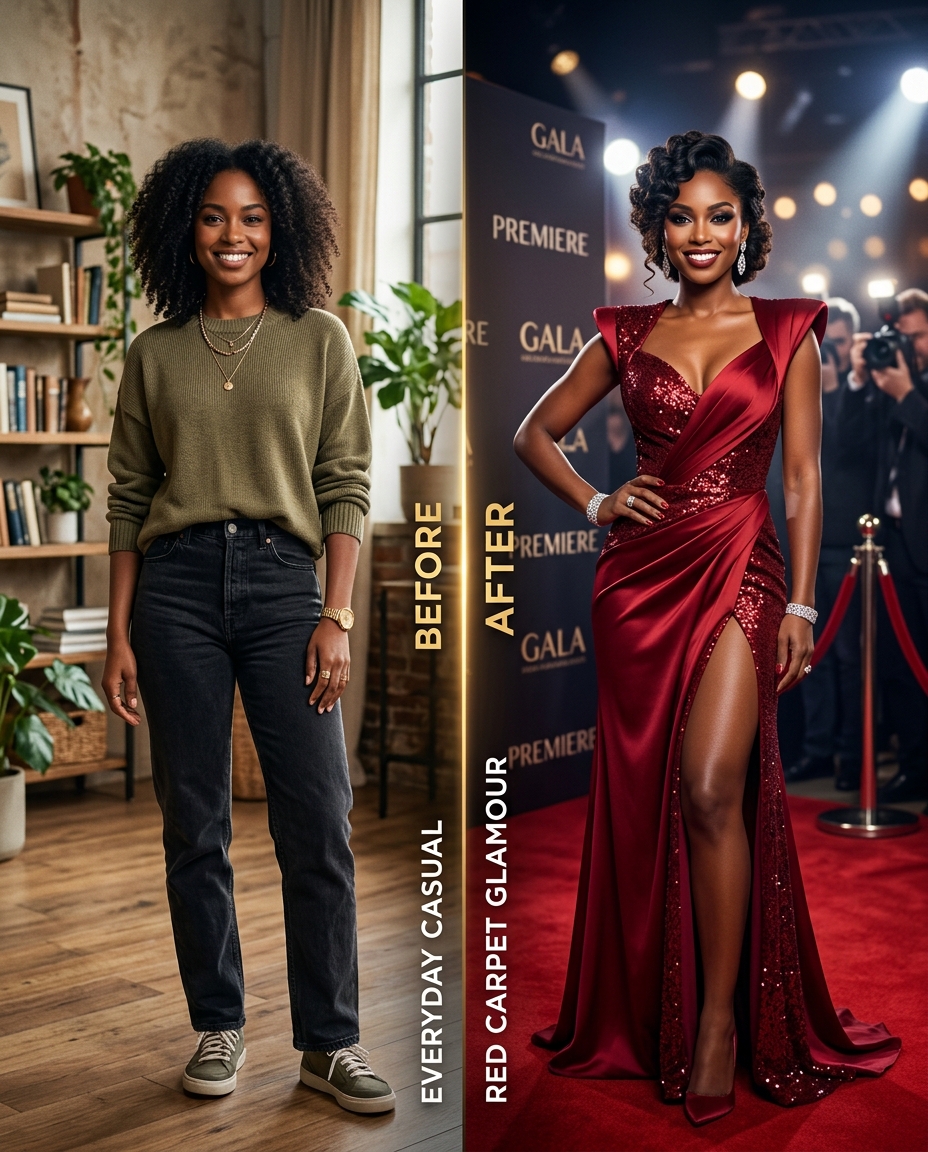
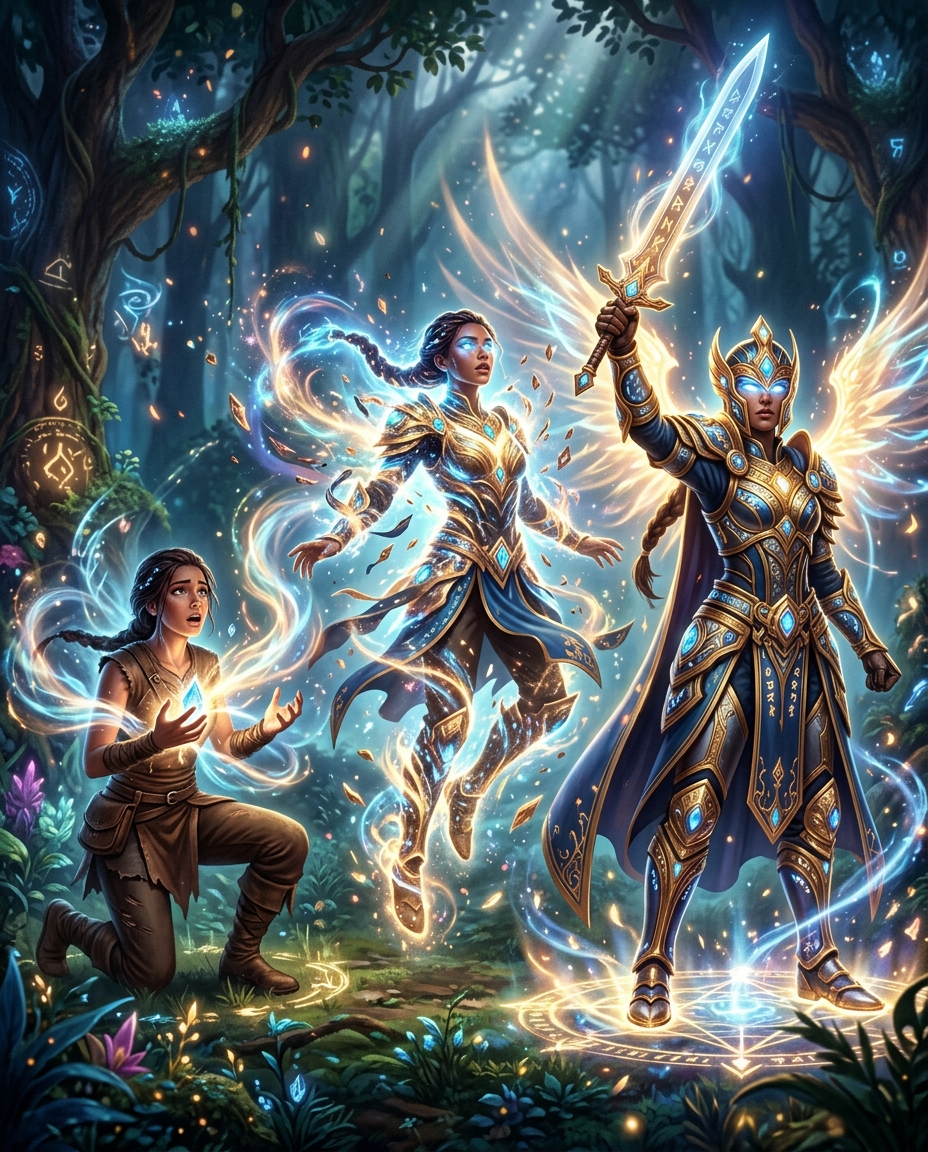
A Kling AI transformation video usually shows one image, look, or scene shifting into another through AI-generated motion or visual evolution. On short-form platforms, creators use this format for glow-up edits, fashion transformations, character makeovers, fantasy shifts, and cinematic before-and-after concepts.
The appeal is simple: viewers love dramatic contrast. When the starting frame is clear and the final state is strong, the reveal becomes the hook.
They create immediate curiosity. If the opening frame is readable, people want to know what it will become.
They fit short attention spans. The transformation itself is the payoff.
They reward strong aesthetics. Even a simple concept can feel impressive if the visual jump is dramatic and easy to read.
They are easy to remix. Different creators can apply the same structure to beauty, fashion, fantasy, or storytelling content.
The strongest transformation videos begin with the concept, not the software. Before generating anything, define the contrast clearly.
Strong directions include casual selfie to red-carpet editorial, plain outfit to fantasy costume, modern portrait to sci-fi character, or simple room to dreamlike environment.
A weak transformation often fails because the creator knows the starting point but not the destination. That is why the best workflow is to decide what the final frame should look like before worrying about effects.
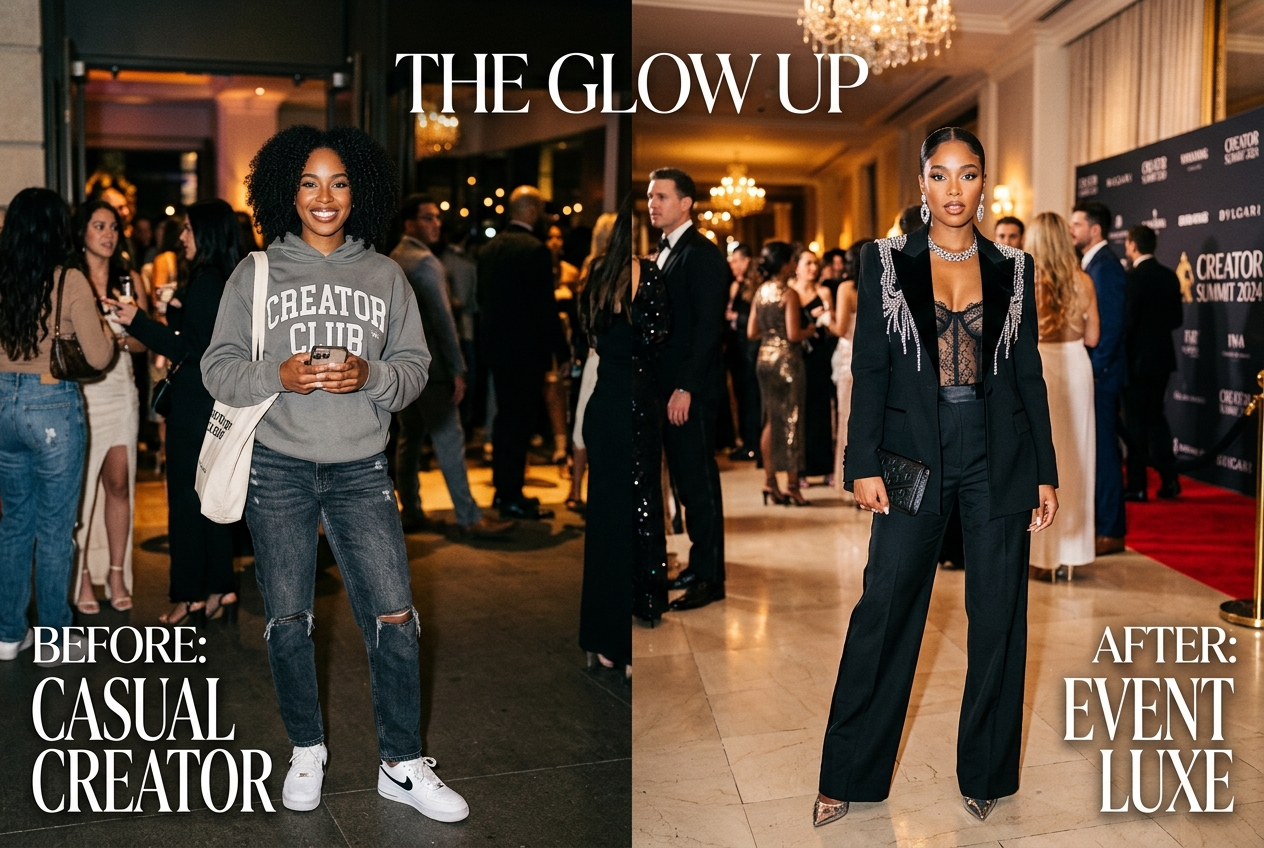
For transformation content, the goal is not only a beautiful final frame. The visual jump needs to feel motivated. A useful prompt structure is same subject + transformed identity or look + style cues + environment + lighting + mood.
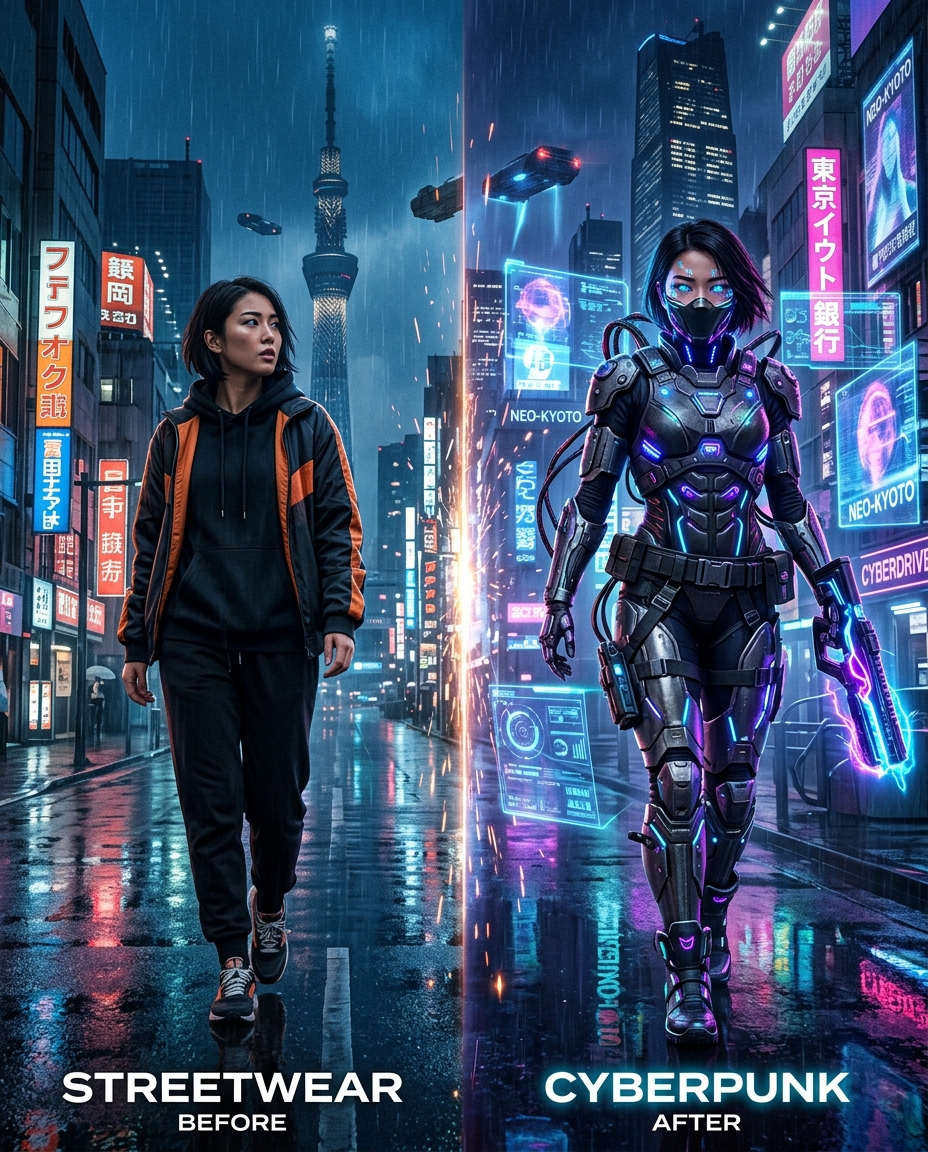
For example, a creator might move from casual streetwear into a luxury red carpet fashion look, or from an ordinary portrait into a futuristic cyberpunk identity.
The clearer the destination, the better the transformation usually feels on screen.
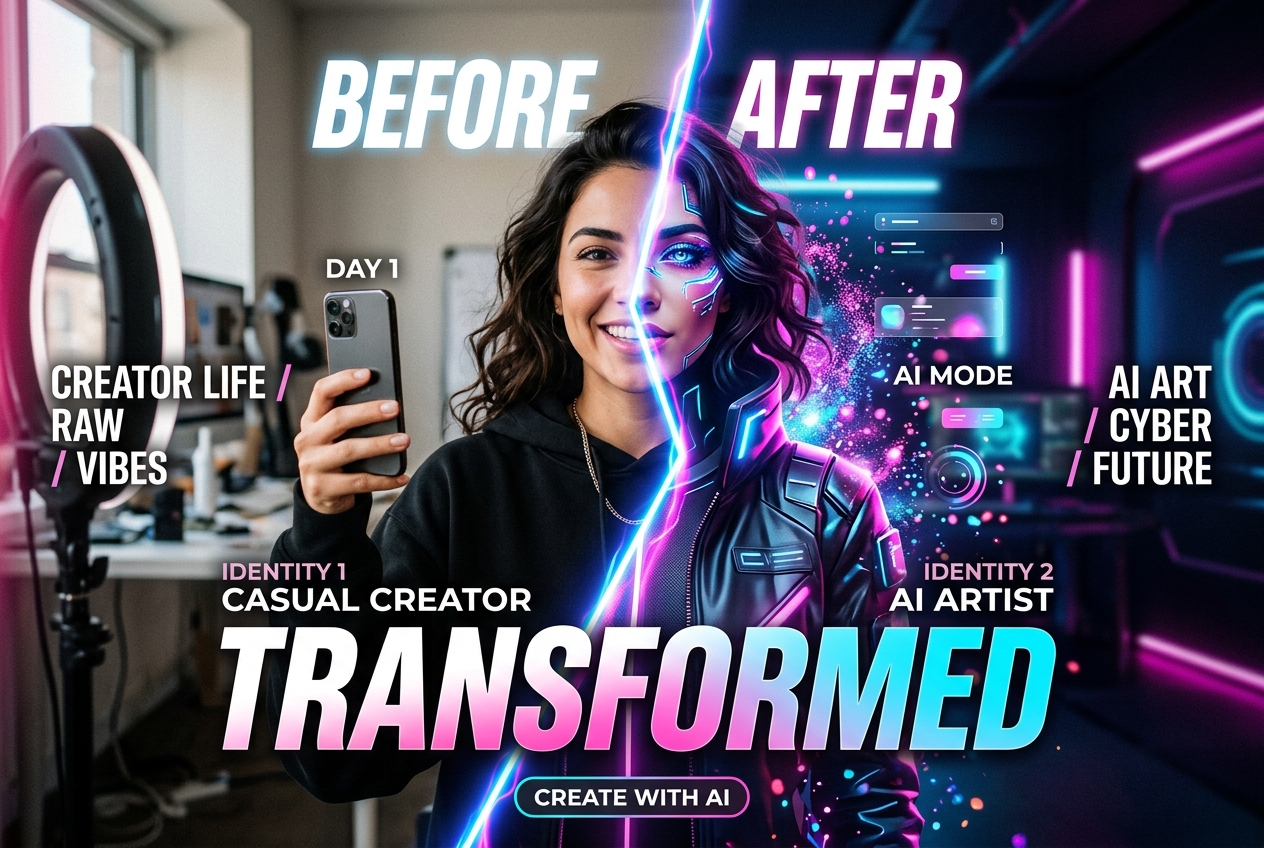
A strong transformation should be obvious even on a fast scroll. That means focusing on one major change, using distinct styling differences, and keeping the composition relatively stable.
When too many variables shift at once, viewers notice the chaos more than the transformation. A stronger approach is to choose one clear contrast like everyday to glam, human to fantasy, or daytime to nightlife.
Even when the creator is focused on Kling-style transformation content, starryai can help during the planning stage. It is useful for generating stronger concept frames, comparing aesthetics, and refining the exact visual direction before turning the idea into a full transformation piece.
That matters because many creators do not struggle with the transformation idea itself. They struggle with visual direction.
What is a Kling AI transformation tutorial usually about?
It usually covers how to create AI-driven before-and-after videos, including image choice, prompts, transitions, and editing ideas.
What makes a transformation video look better?
A clear starting image, a strong final concept, readable contrast, and fast editing usually improve results.
Do I need a dramatic concept?
Not always, but stronger contrast often performs better on TikTok because the transformation is easier to notice.
Can AI tools help before making the final video?
Yes. Many creators use AI image tools to test styles, plan the final look, and create concept references.
How can starryai help with transformation content?
It can help generate concept art, compare style directions, and build stronger visual ideas for before-and-after sequences.
A good Kling AI transformation tutorial is really about more than the software. It is about designing a visual change that feels satisfying, clear, and worth watching.
If the starting image is strong, the destination is clear, and the contrast is readable, the final transformation usually feels much more polished right away. AI tools work best when they sharpen the concept instead of replacing it.





.svg)