

Written by Mo Kahn on
April 13, 2026


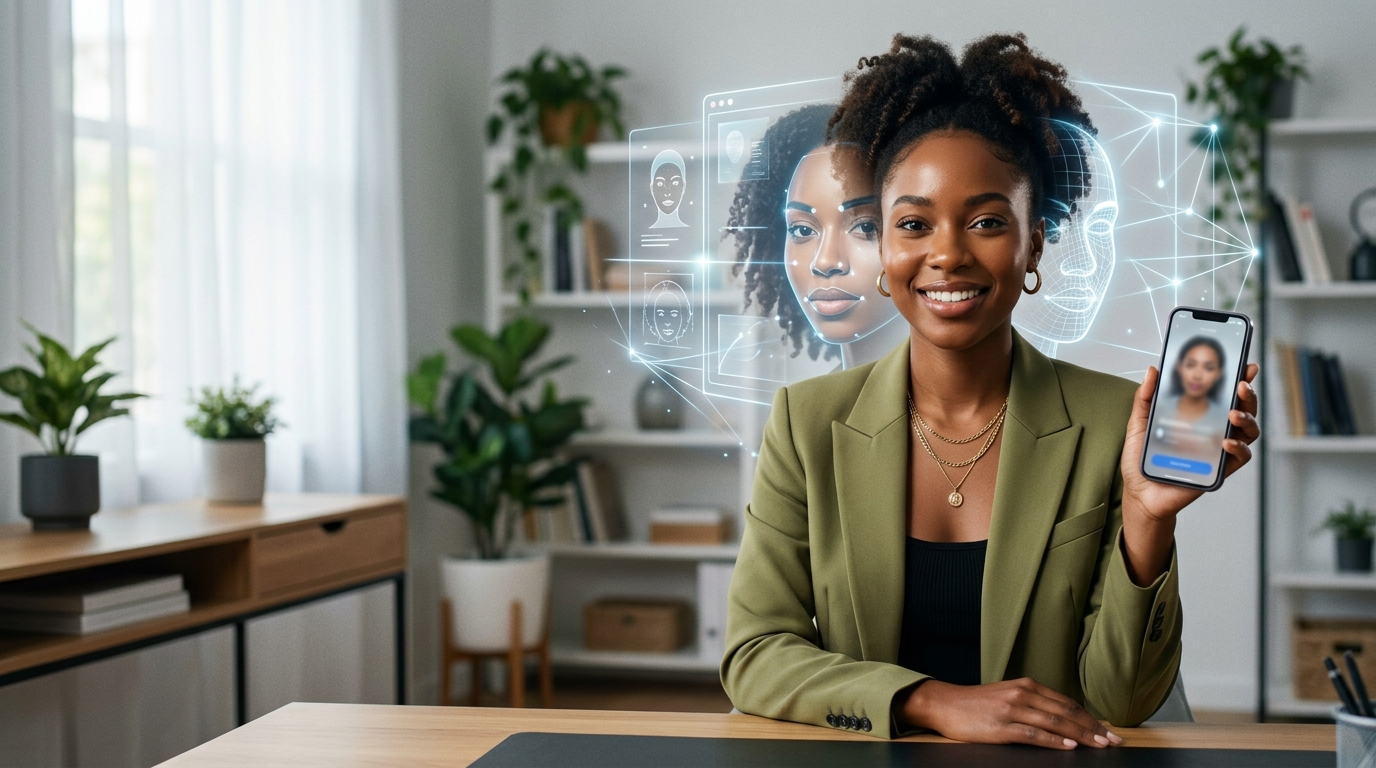
Searches for AI face swap app tutorials keep rising because face swap content is quick to understand, easy to remix, and naturally scroll-stopping. Whether creators are swapping into a movie scene, a fashion editorial, a meme, or a fantasy character, the hook is always immediate: a familiar face in an unexpected context.
But strong face swap content is not only about using an app. It is about choosing the right source image, matching the target style, and editing the final result so it feels intentional instead of awkward.

An AI face swap app uses machine learning to place one face onto another image or video target. On TikTok, this format is often used for character edits, celebrity-style transformations, fashion remixes, memes, movie posters, and “what I would look like as…” trends.
The strongest face swap content feels both surprising and readable. Viewers should understand the premise immediately.

The format is instantly recognizable. Even without sound, viewers usually understand what is happening.
It invites participation. People naturally want to try the trend with their own face, favorite character, or niche joke.
It works across multiple categories. Beauty, humor, fashion, fandom, and AI art communities can all adapt the same basic structure.
It creates quick visual payoff. A dramatic face swap can land in seconds, which is perfect for short-form content.
The source face matters more than many creators realize. Clear, front-facing images with readable lighting usually integrate more naturally than blurry or heavily shadowed selfies.
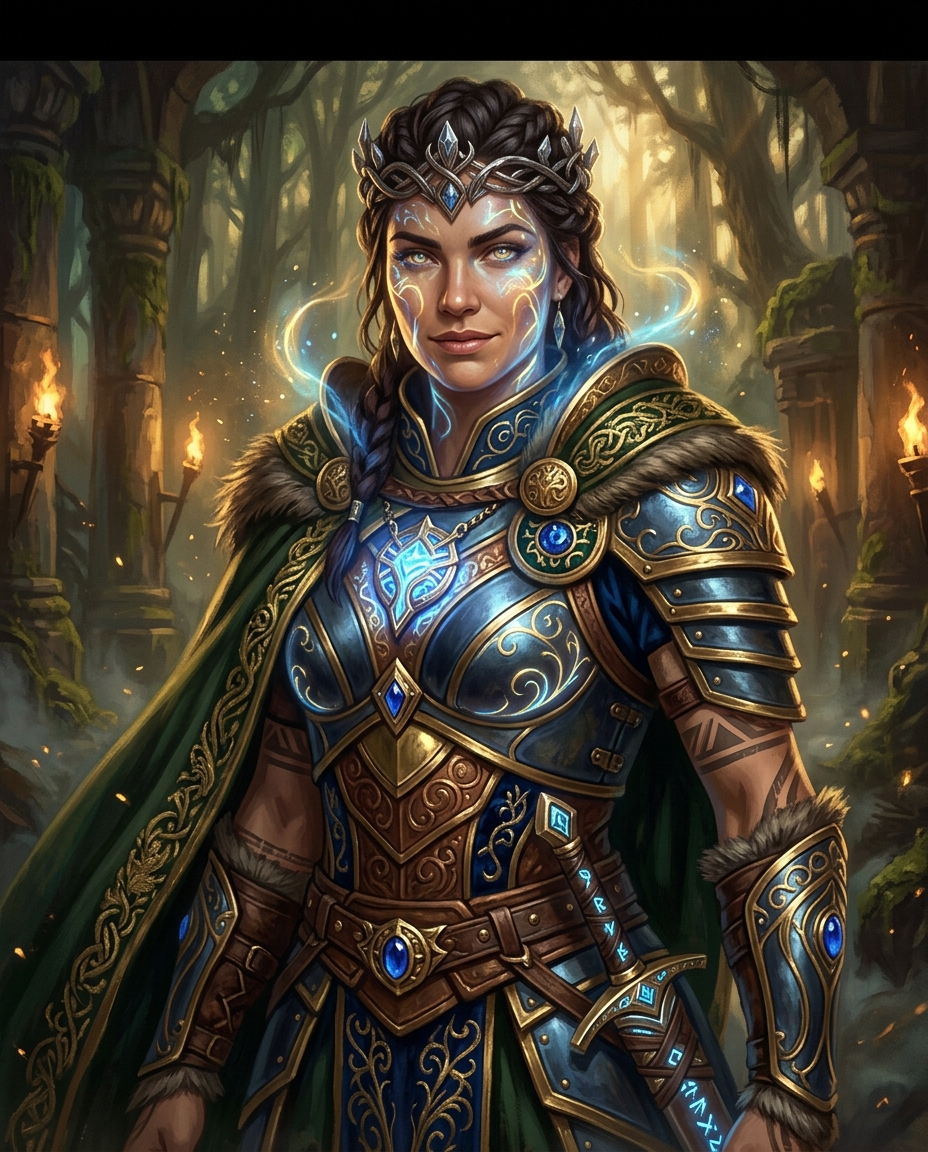
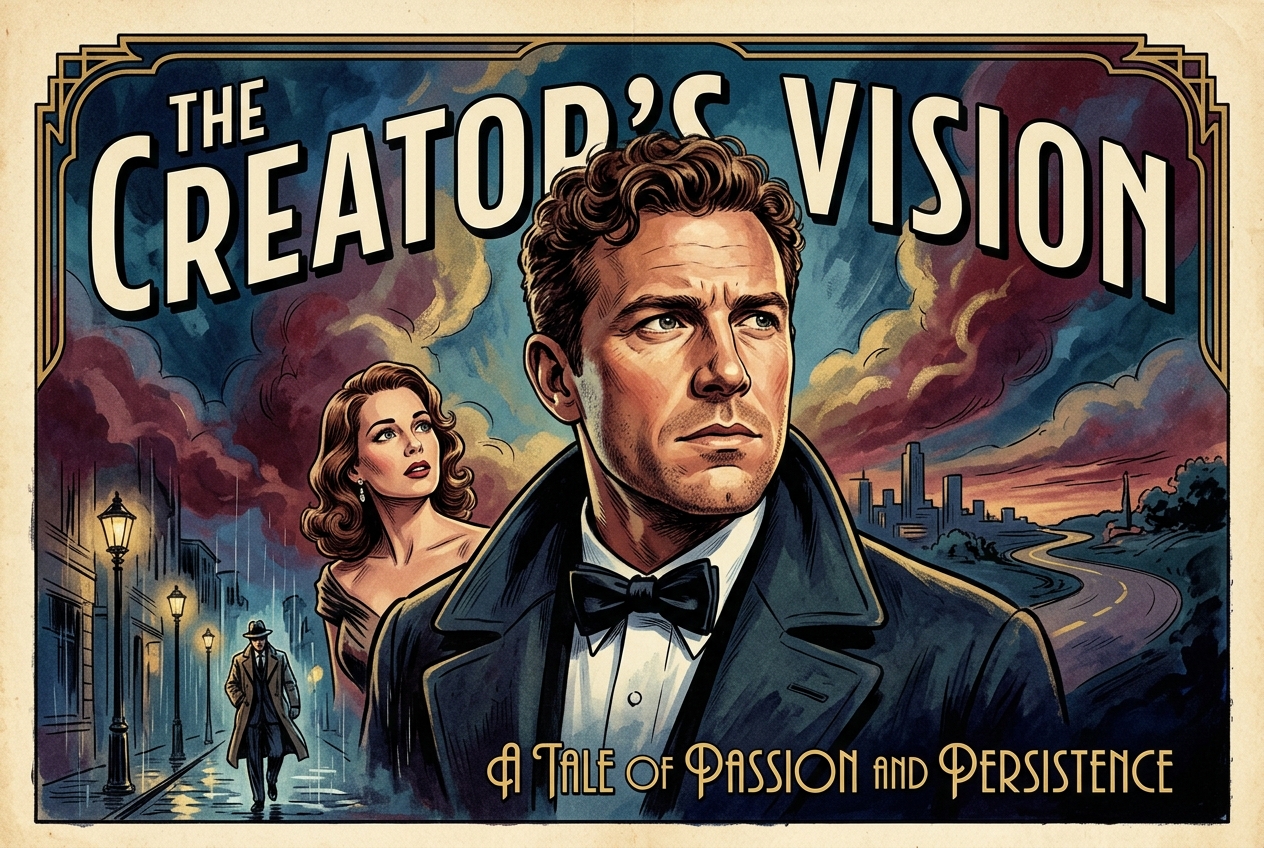
The target image matters too. Good targets have visible facial structure, enough resolution, and a clear aesthetic direction. That is why creators often choose movie posters, fantasy characters, fashion editorials, historical portraits, or meme templates.
One of the biggest reasons face swaps look off is that the face technically fits, but the overall image style does not. Matching lighting, color grading, sharpness, pose, and expression is what makes a face swap feel convincing.
The face swap itself is only part of the post. A stronger TikTok package usually reveals the final result quickly and uses comparison framing like before vs after, original vs swapped version, or “me as…” style reveal content.
It also helps to add a clear angle in the caption, such as “me as a fantasy villain,” “testing an AI face swap app on old movie posters,” or “which one looks the most believable?”

A face swap app can handle the swap itself, but creators often need more than that. They may want to test a character style, generate a stronger background, or create alternate visuals around the same idea.
That is where starryai fits naturally. It can help creators build concept art, compare aesthetics, generate alternate scene directions, and create supporting imagery around the face swap instead of relying only on one one-click effect.
What does an AI face swap app tutorial usually teach?
It usually covers how to choose source photos, perform the swap, improve realism, and turn the result into engaging content.
What type of source photo works best?
A clear, well-lit image with a readable face usually works best.
Why do some face swaps look unnatural?
Common reasons include angle mismatch, lighting mismatch, low resolution, or a target image that is too complex.
Can AI image tools help alongside face swap apps?
Yes. Many creators use AI image generation to build backgrounds, concepts, or visual references around the swap.
How can starryai help with face swap content?
It can support the creative workflow by helping generate stylistic references, alternate scenes, and stronger concept visuals.
A strong AI face swap app tutorial is really about creative control. The technology can produce the effect, but the creator’s choices determine whether the final content looks funny, polished, chaotic, cinematic, or genuinely scroll-stopping.
If the source image is strong, the target concept is clear, and the visual style is well matched, the face swap lands much more effectively. That is what turns a quick novelty into content people actually want to watch and share.




.svg)