

Written by Mo Kahn on
August 12, 2026


Every creator runs into the same wall. Your Stories start looking like recycled slides, the same fonts, the same frames, the same safe little layouts that blur together by Friday. The fix isn't another static template pack, it's a repeatable creative process that keeps your visuals fresh without slowing you down. These instagram story template ideas use starryai to turn selfies, prompts, and simple concepts into original Story assets that feel current, on-brand, and worth tapping through.
Seasonal content works because Stories are already built for fast viewing in short bursts, and seasonal cues give that quick scan an immediate point of recognition. A practical template process starts with a selfie, then adds a seasonal prompt such as winter glow, autumn vibes, spring bloom, or summer radiance to generate a version that feels timely without turning into a generic repost. That matters on a platform where Story content is meant for repeatable, modular use, and where concise formats fit hooks, polls, Q&A, and teasers well, as described in this 2025 template guide.
Practical rule: plan seasonal Story concepts before the season fully hits, so your visuals feel intentional instead of late.
A winter creator can turn one selfie into a snowy, ethereal Story frame. A spring account can use blooming overlays and softer light on the same base photo. Summer influencers often get more mileage from golden skin tones and bright highlights, because the aesthetic reads instantly on mobile. The goal is not to fake a holiday mood, it is to build a repeatable visual workflow that keeps the Story aligned with the moment.
The trade-off is straightforward. Highly seasonal Story visuals can feel strong for a short window, but they lose impact if you reuse the exact same look too often. Rotate the prompt, change the emotion, and let the season guide the vibe rather than control the whole composition.
A trend can hit overnight, and Story content has to keep pace without turning into a rushed edit job. This template process turns a selfie into a TikTok-ready aesthetic such as e-girl, cottagecore, dark academia, cyberpunk, or fairycore, so the result feels current without relying on generic filters or borrowed layouts. The point is to make one original visual that reads like the trend, while still feeling like your own brand.
Speed matters here because the window for a viral look is short. A creator can generate a style-matched Story asset as soon as a sound starts circulating, publish it while people are still engaging with it, and use that Story to send viewers to a reel, post, or profile action. That fits the practical role Stories already play in discovery and interaction, and the same viral content playbook from starryai shows why fast, repeatable visual output helps trend content travel further. The value is not just looking current, it is reducing the time between noticing a trend and publishing something that feels native to it.
A trend-hopper usually needs one clean selfie, one aesthetic choice, and one clear intent for the post. An e-girl transformation can support #egirlmakeup content, while a dark academia version pairs well with a moody audio clip because the visual tone carries part of the message. If the idea needs more range, generate three to five variations and turn them into a sequential Story set, or use the strongest options to build a tighter carousel. The workflow should produce distinctive visuals that feel made for the moment, not pasted into a template.
Timing still matters more than the trend itself. If the aesthetic arrives before the sound peaks, the Story feels reactive in a good way. If it lands too late, it reads like a copy of what everyone else already posted. A style choice can also be fashion-led, and a reference such as the perfect halter top for your body type works for outfit planning because the fit and shape have to support the overall look, not compete with it.
The trade-off is authenticity versus speed. Viral aesthetics can bring attention quickly, but if every Story chases a different trend, the feed loses brand coherence. Use this template process when the aesthetic still fits your voice, and treat the trend as a prompt for original output, not a reason to imitate someone else's layout.
Indie authors need visuals that make characters feel real before the reader opens the book. This template process turns written concept notes into multiple character interpretations, which is far more flexible than commissioning a single final portrait right away. A romance writer can test a protagonist's visual identity, while a fantasy author can explore a dragon-rider's look from several angles before settling on a direction.
Figma's resource library groups Story inspiration into 21 Instagram Story ideas with free templates, and that limited-idea structure fits this use case well. Character visuals work best when they're repeatable, not random. Describe the character's age, personality, clothing, and magical traits, then generate a batch of options and combine the strongest features into one final concept.
This is especially useful for book marketing. A self-published series needs consistency across posts, Story slides, and cover concepts, and a single visual language helps readers recognize the world faster. If your main goal is story worldbuilding, use the generated artwork to test whether the character feels believable in a soft illustrated style, a digital painting style, or a more realistic approach.
The strongest character art doesn't just look attractive, it makes the reader understand the role at a glance.
A useful workflow is to start with a detailed brief, then narrow the results. For example, “young dragon-rider, scar on left cheek, weathered cloak, confident posture” gives the system enough to explore without flattening the personality. That saves time and often produces visuals that feel closer to an author's intent than a single rushed commission draft.
The trade-off here is control. The more specific the prompt, the better the identity match, but the less room there is for surprise. Keep some flexibility, especially if the character still feels unfinished on the page.
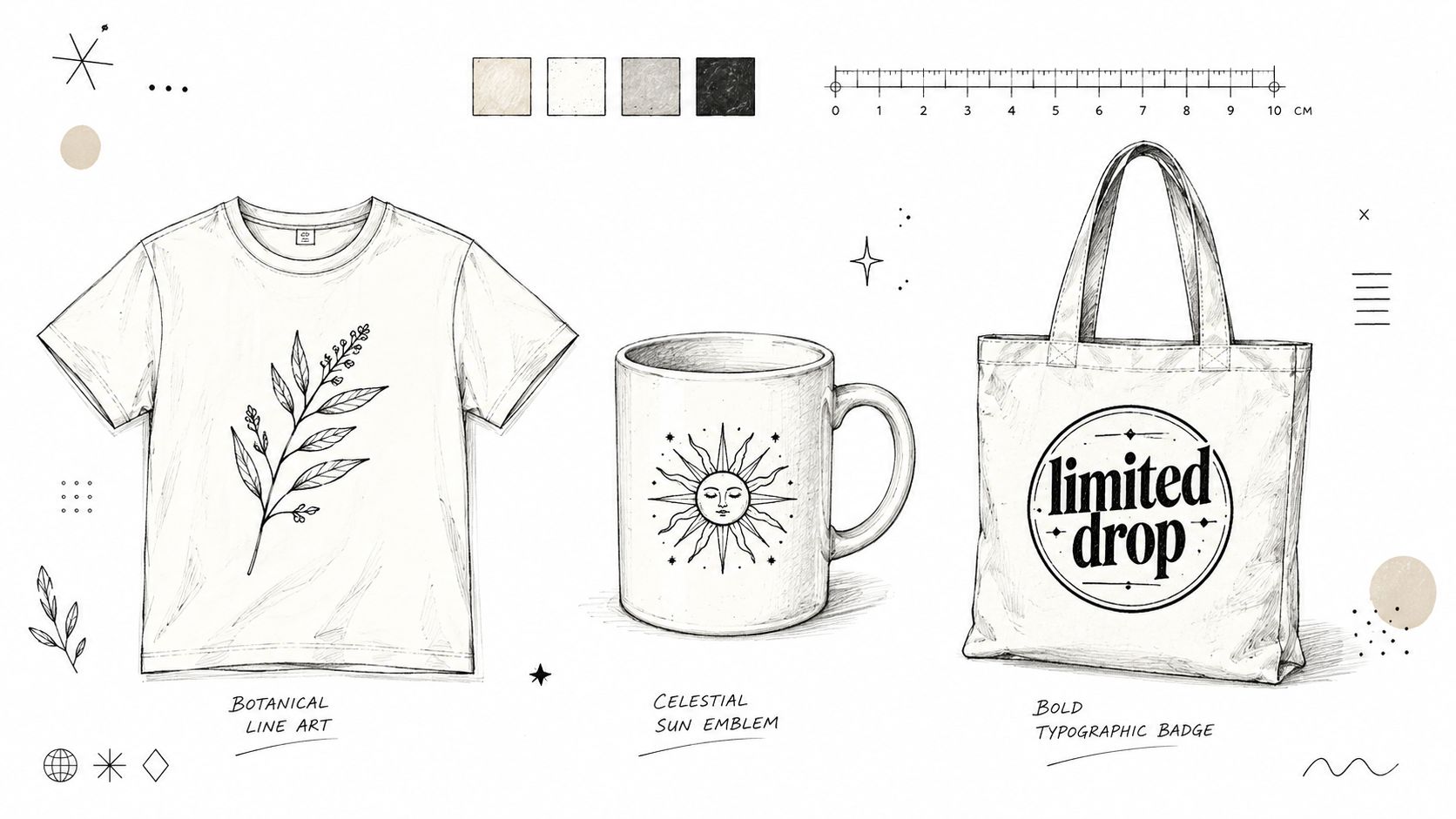
A merch drop falls flat when every design feels interchangeable. AI-generated story visuals solve that problem by giving you a repeatable creative process for tees, mugs, tumblers, tote bags, and phone cases, which makes them a practical fit for Etsy sellers and side-hustlers who need fresh product lines without starting from zero each time. Generate several concept directions, pick the strongest one, then turn it into Story previews that help the product feel real before it goes live.
The broader Story template ecosystem shows why this works. Tools such as Canva, Adobe Express, Figma, Hootsuite, and WordStream all maintain dedicated template collections because reusable vertical content has become a normal part of visual marketing. Merch follows the same logic, but its core value is not a static layout, it is a system that can produce related variations quickly while still keeping a clear brand thread. Buyers respond better when a collection looks intentional, with a shared visual language rather than a stack of unrelated graphics.
A seller can start with one botanical direction for tote bags, then shift the same prompt family into celestial art for a mug line or a phone case series. That keeps the catalog active without forcing every item to use the same illustration. It also gives you a practical way to test which visual direction deserves production time, because one theme can branch into multiple product-ready concepts without losing coherence.
Some patterns hold up better in the feed and on the product page. Connected sets usually feel stronger than isolated one-off designs, especially when the audience is browsing quickly. Multiple color variants give one concept more shelf life, seasonal refreshes keep the line current, and clean mockups help people picture the design on a shirt or mug.
Use this horror sticker shop example as a reminder that niche visuals can build a loyal audience when the aesthetic is specific enough to be recognized at a glance. The same principle applies to your own store. The art does not need broad appeal, it needs clear intent and enough consistency that shoppers can tell it belongs to the same line.
The trade-off is production quality. Print-on-demand artwork has to survive real-world printing, so check how the design reads on the object before you upload it. Fine lines, tight details, and crowded compositions can look sharp in a Story frame, then turn muddy on fabric or curved merchandise once they are printed.
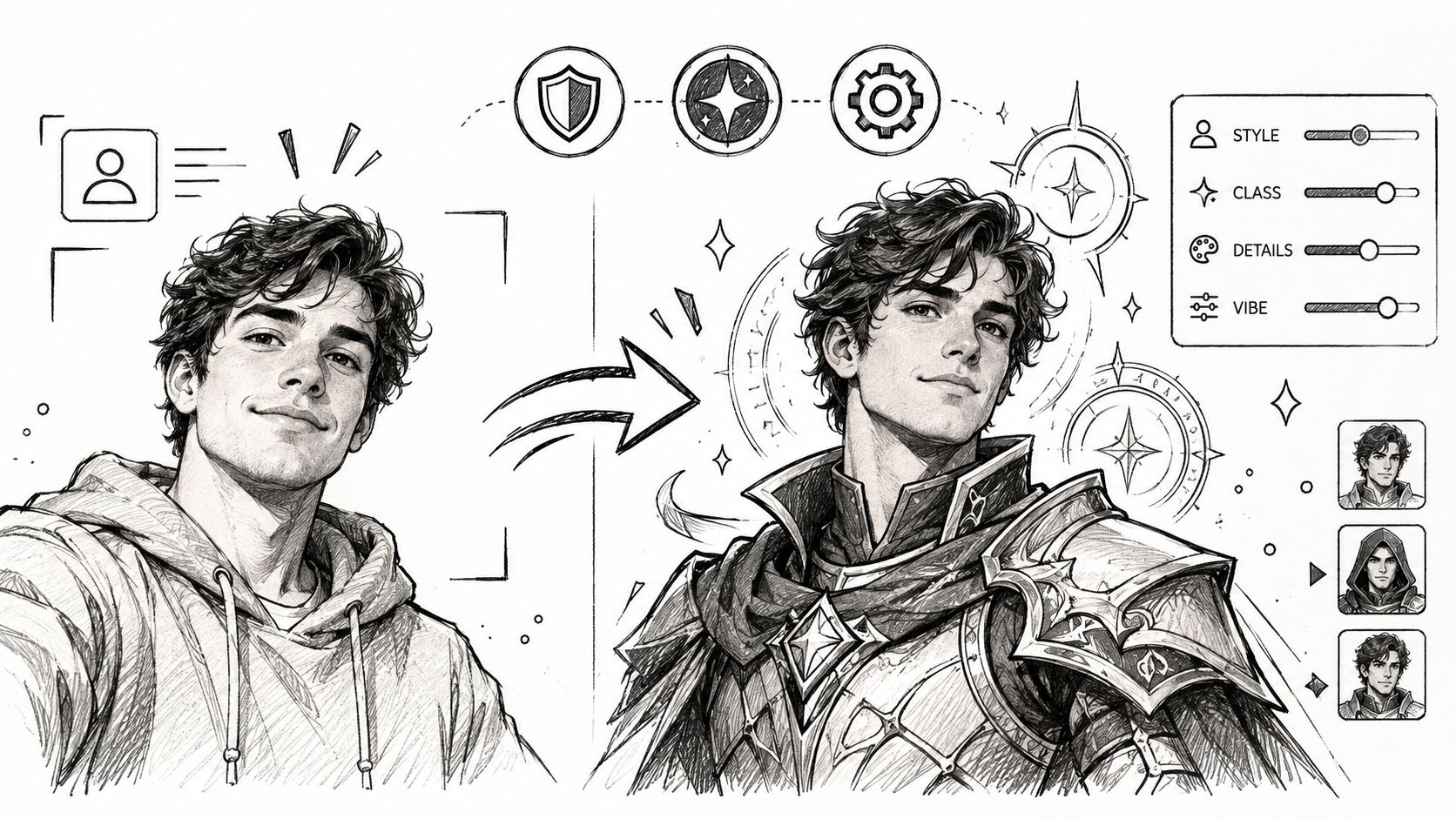
Gaming audiences love identity-driven visuals, and Story content gives them a fast way to show it off. This template process turns a selfie into an epic avatar or tabletop RPG character by pairing the face with a class, race, or aesthetic description. A D&D player can build a campaign portrait, a Discord user can create a profile image, and a Twitch streamer can use the result to reinforce a recognizable persona.
The creative advantage is clarity. People in gaming spaces want visuals that read instantly, especially when they share them in profile contexts or campaign channels. A fantasy armor set, a cyberpunk visor, or a steampunk gadget can communicate the character's world without a long explanation. That's why this format works so well as a Story template, it gives your audience something immediate to react to.
A good prompt includes genre, equipment, and tone. Fantasy, cyberpunk, steampunk, and modern all lead to different outcomes, so don't leave the style vague if the goal is a specific avatar. You can generate one version for the base character and another for a level-up moment, which gives the Story a built-in narrative arc.
Practical rule: if the character needs to feel heroic, add armor or a weapon. If it needs to feel magical, add light effects or elemental details.
The best real-world use cases are campaign portraits and server identity. Guild members can build a shared visual language, while tabletop players can make their characters feel more alive between sessions. That's a stronger social signal than a random selfie with a game logo pasted over it.
The trade-off is complexity. Too many items in one prompt can muddy the result, especially if the character already has a lot of lore. Start with one core identity, then layer details gradually until the design feels complete.
A social media manager staring at a blank Story calendar does not need another mood board. The core job is to build a repeatable process that keeps visuals on-brand while still giving each post a fresh angle. That is what makes a content library useful for beauty labels, SaaS brands, wellness companies, and lifestyle businesses that need speed without losing identity.
The strongest version of this workflow treats template as a process, not a fixed layout. Brand colors, message pillars, and visual rules become the inputs, then starryai generates Story-ready assets that stay recognizable from post to post. For teams already building reusable content systems, the social media content creation guide from starryai fits neatly into that approach because it supports a library mindset instead of a one-off design habit.
That library should do more than look polished. It should support the posts that recur again and again, such as product education, customer proof, behind-the-scenes moments, and campaign teasers. Those pillars work because they give the account a stable visual rhythm, and that rhythm helps viewers recognize the brand before they even notice the logo.
Batch generation makes the system practical. A manager can create a month of Story visuals in one pass, then keep the copy, emoji style, and caption tone aligned across the set. That approach saves time compared with redesigning every frame from scratch, and it keeps Story output connected to the rest of the feed instead of feeling like a separate channel.
The trade-off is sameness. If every Story feels too controlled, the account can look sterile, and that hurts the kind of personality many brands need in social. Small expressive changes matter here, especially for lifestyle and wellness accounts where tone carries as much weight as design.
For fast-moving teams, the process is the template. The system stays on-brand because the inputs are on-brand, not because every slide gets manually polished into the same shape.
Some Story formats work because they sell a feeling, not a product. Dream and fantasy glow-up transformations create that feeling by turning a selfie into something surreal, like a celestial being, an ethereal fairy, a cosmic queen, or a divine goddess. This works especially well for aspirational content, wellness pages, and creative accounts that want to lean into escape, beauty, and self-reinvention.
The reason it performs is emotional. People don't just want to see a transformed image, they want to see a version of themselves that feels refined, luminous, or unbound by ordinary visuals. That's why the format pairs naturally with affirmations, manifestation language, or self-love captions. It gives the Story a mood that feels bigger than a simple edit.
This is also one of the easiest ways to build a transformation series. Start with the original selfie, then reveal the fantasy version, then add a final slide with a short line about evolution or becoming. The sequence feels intentional, and it gives viewers a reason to keep tapping through the full Story.
Short captions work better here than long explanations. The image should do the dreaming.
Creators in wellness, fantasy, and spiritual niches tend to get the most mileage from this style because it supports their existing tone. A mermaid or siren transformation feels natural on fantasy accounts, while a cosmic queen visual can fit a theme without looking forced. The visuals can be dramatic, but the message should stay grounded enough that the audience still sees themselves in it.
The trade-off is over-stylization. If the image becomes too ornate, the emotional connection weakens. Keep one or two strong fantasy cues, then let the face and expression stay readable.
A few emojis are often enough to start a Story that feels original instead of copied from a preset library. That matters because the process is faster than writing a full art brief, yet it still gives the AI a distinct creative direction. A crown, a dragon, and a rose can point toward a royal dragon keeper. A moon, a mirror, and a spark can shift the result toward something more mysterious and reflective.
The strength of this method is that it lowers the effort without lowering the creative ceiling. People who hesitate at an empty prompt box can still make something on-brand by starting with symbols they already know how to combine. That makes it useful for casual creators, students, friends sharing Story ideas, and teachers using visual prompts in a classroom. The interpretation step also leaves room for surprise, so the final image feels less like a literal translation and more like a fresh visual concept.
The process works best when the emoji set suggests role, mood, or setting. Three to five emojis usually give the model enough material to build from without making the direction too messy. If the sequence appears in the caption, viewers get a chance to guess the result before the reveal, which turns the Story into a small game rather than a one-way post.
Start with the prompt itself, then let the audience react to the outcome.
The trade-off is control. Emoji prompts are fun, but they give you less precision than a detailed brief, so they work best when unpredictability is part of the appeal. If you need a specific costume, background, or facial expression, add one or two plain-language descriptors alongside the emojis so the result stays closer to the intended idea.
| Template | Implementation Complexity 🔄 | Resource Requirements ⚡ | Expected Outcomes ⭐ | Ideal Use Cases 💡 | Key Advantages 📊 |
|---|---|---|---|---|---|
| Seasonal Aesthetic Transformation | Low, preset-driven seasonal filters; quick setup 🔄 | Low, selfie + keywords; fast processing ⚡ | High seasonal engagement; timely reach ⭐ | Seasonal campaigns, content calendars, lifestyle creators 💡 | On-trend relevance; fast production; year-round planning advantage 📊 |
| Viral TikTok Aesthetic Recreation | Moderate, requires trend monitoring and frequent updates 🔄 | Medium, trending library + batch processing ⚡ | Strong viral participation when timely; high reach potential ⭐⭐ | Trend-hopping creators, Reels/TikTok posts, beauty/fashion micro-influencers 💡 | Single-tap trend-ready looks; consistent output quality 📊 |
| Character Design for Indie Authors & Creators | Moderate, detailed text-to-image tuning; iterative refinement 🔄 | Medium, multiple generations; licensing handling ⚡ | Professional character visuals suitable for covers/marketing ⭐⭐ | Self-published authors, book covers, character development 💡 | Cost-effective commissions alternative; commercial rights included 📊 |
| Merch Design & Print-on-Demand Artwork | Moderate, requires print prep, color/format checks 🔄 | Medium, high-res outputs and file formatting ⚡ | Expanded product lines; print-ready designs for sales ⭐⭐ | Etsy/print-on-demand sellers, small merch businesses 💡 | Rapid SKU generation; commercial-use assets; trend-responsive designs 📊 |
| Custom Gaming Avatar & RPG Character Art | Moderate, class/race customization and iteration 🔄 | Low–Medium, profile-ready sizes; many variations ⚡ | Immersive avatar art; strong community engagement ⭐⭐ | Gamers, D&D players, streamers, Discord profiles 💡 | Fast avatar creation; game-specific presets; iterative refinement 📊 |
| On-Brand Social Media Manager Content Library | High, integrates brand guidelines and multi-platform rules 🔄 | Medium–High, batch generation, asset management systems ⚡ | Consistent on-brand feed; faster content velocity and scale ⭐⭐⭐ | Marketing teams, agencies, multi-account social managers 💡 | Scalable brand consistency; reduces agency/design overhead 📊 |
| Dream & Fantasy Glow-Up Transformations | Low–Moderate, surreal effects and style presets 🔄 | Low, selfie + concept prompt; quick renders ⚡ | Highly shareable, emotive visuals with aspirational appeal ⭐⭐ | Wellness/spiritual creators, aspirational reels/stories 💡 | Strong emotional resonance; visually distinctive, viral-friendly 📊 |
| Quick Emoji Prompt Character Generation | Low, simple emoji parsing and playful mapping 🔄 | Low, minimal input, instant output ⚡ | Fast, playful character results; high accessibility ⭐ | Casual users, teachers, quick social challenges, TikTok creators 💡 | Extremely accessible; gamified experience; minimal prompt skill required 📊 |
The strongest instagram story template ideas don't come from downloading another recycled layout. They come from building a repeatable process that turns one selfie, one prompt, or one mood into a series of original visuals that fit your brand and your audience.
That shift matters because Stories reward speed, consistency, and interaction. The format is built for short attention cycles, and the best creators use that to their advantage by generating modular content that can be reused without looking stale. A seasonal glow-up, a viral aesthetic recreation, a gaming avatar, or an emoji-based character can all become part of the same creative system when the visuals are generated with intention.
What makes this approach different is that it keeps you out of template fatigue. Instead of opening the same preset layout every time, you're starting with a prompt, a style, and a clear reason for posting. That creates more room for originality, but it also keeps your Story workflow practical enough to sustain over time.
Pick one idea that fits your audience best, then test it on your next Story series. If you're a creator, start with a transformation. If you sell products, start with merch mockups. If you manage brand accounts, start with a content library that gives you more consistent output without more manual work.
starryai makes this process fast by turning selfies, prompts, and emojis into original Story visuals in seconds. If you want fresh instagram story template ideas without relying on the same overused layouts, visit starryai and start generating something your audience hasn't seen before.


.svg)